
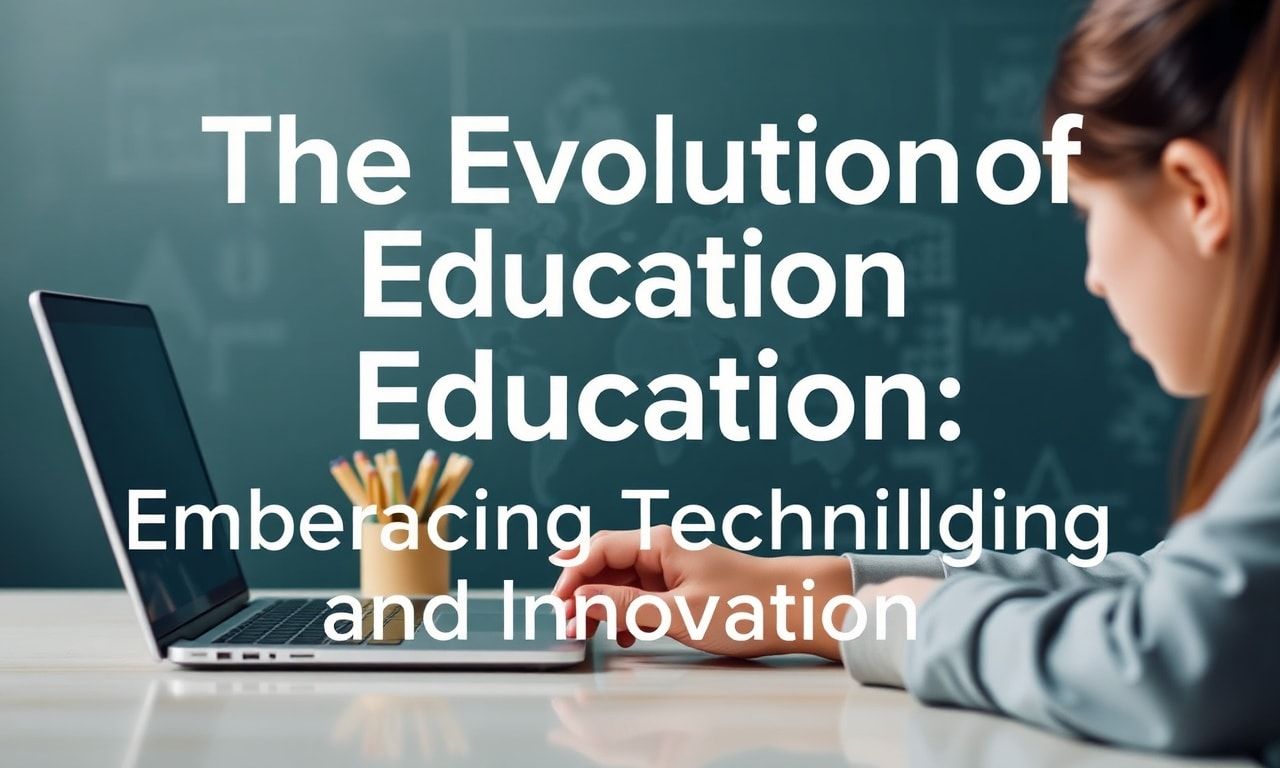
The Digital Transformation in Education
The landscape of education is undergoing a profound transformation, driven by rapid advancements in technology and innovative pedagogical approaches. Traditional classrooms are evolving into dynamic, interactive learning environments that leverage digital tools to enhance student engagement and outcomes. This shift is not merely about integrating technology but about reimagining the entire educational experience to meet the needs of 21st-century learners.
The Role of Technology in Modern Learning
Technology has become an indispensable part of modern education, offering numerous benefits that extend beyond the confines of traditional teaching methods. From virtual classrooms to adaptive learning platforms, technology enables personalized instruction, real-time feedback, and collaborative learning opportunities. For instance, educational apps and online resources provide students with access to a wealth of information, allowing them to learn at their own pace and explore topics in greater depth.
One notable example of technological integration in education is the use of artificial intelligence (AI) to tailor learning experiences. AI-driven platforms can analyze student performance data to identify areas for improvement and recommend personalized learning paths. This not only enhances the effectiveness of instruction but also fosters a more inclusive learning environment where every student can thrive.
Enhancing Accessibility and Inclusivity
Technology also plays a crucial role in making education more accessible and inclusive. Assistive technologies, such as text-to-speech software and digital braille readers, empower students with disabilities to participate fully in the learning process. Additionally, online learning platforms break down geographical barriers, allowing students from remote or underserved areas to access high-quality education. This democratization of education is a significant step towards achieving educational equity and ensuring that all students have the opportunity to succeed.
The Importance of Digital Literacy
As technology continues to reshape the educational landscape, the importance of digital literacy cannot be overstated. Digital literacy encompasses a range of skills, including the ability to navigate digital platforms, critically evaluate online information, and use technology ethically and responsibly. Educators must prioritize the development of these skills to prepare students for a future where digital competence is essential for both academic and professional success.
Integrating digital literacy into the curriculum involves more than just teaching students how to use specific tools. It requires a holistic approach that fosters critical thinking, problem-solving, and creativity. For example, projects that involve researching and analyzing information from various online sources can help students develop the skills needed to discern credible information from misinformation. This is particularly relevant in today’s digital age, where the iowa genealogy research update and other online resources can be both a blessing and a challenge for learners.
Preparing Students for the Future Workforce
In addition to academic skills, digital literacy is crucial for preparing students for the future workforce. As automation and AI continue to transform industries, the demand for workers with strong digital skills is on the rise. By equipping students with the ability to adapt to new technologies and leverage them effectively, educators can help them stay competitive in an ever-evolving job market.
Innovative Pedagogical Approaches
Beyond technology, innovative pedagogical approaches are also reshaping the way education is delivered. Methods such as project-based learning, flipped classrooms, and gamification are gaining traction as effective strategies for engaging students and promoting deeper learning. These approaches emphasize active participation, collaboration, and real-world application of knowledge, making the learning experience more meaningful and relevant.
Project-Based Learning
Project-based learning (PBL) is an instructional method that encourages students to learn by actively engaging in real-world, meaningful projects. This approach not only enhances students’ understanding of the subject matter but also develops essential skills such as critical thinking, communication, and teamwork. By working on projects that address real-world challenges, students gain a deeper appreciation for the relevance of their education and are better prepared to tackle complex problems in the future.
Flipped Classrooms
Flipped classrooms reverse the traditional teaching model by delivering instructional content online, outside of class, and using class time for interactive activities and discussions. This approach allows students to learn at their own pace and apply what they have learned in a collaborative setting. Flipped classrooms have been shown to improve student engagement, comprehension, and retention, making them an effective strategy for enhancing the learning experience.
Conclusion
The evolution of education is driven by a combination of technological advancements and innovative pedagogical approaches. By embracing these changes, educators can create more dynamic, inclusive, and effective learning environments that prepare students for the challenges and opportunities of the 21st century. As we continue to explore new ways of teaching and learning, the future of education looks brighter than ever.
To gain a deeper understanding of cultural exchange in creative fields, consider exploring the impact of cultural fusion in the entertainment industry, a topic that offers valuable lessons for students and professionals alike.
To deepen your understanding of cultural heritage and its impact on urban development, consider exploring Liverpool’s rich historical influences in this engaging article.
To deepen your understanding of sustainable transportation, consider exploring electric vehicle advancements, a topic that is increasingly relevant in today’s academic and professional landscapes.