The Evolution of Educational Technology
The landscape of education has undergone a significant transformation over the past few decades, largely driven by advancements in technology. From traditional chalkboards to interactive smart boards, the integration of technology in classrooms has revolutionized the way students learn and teachers instruct. This evolution has not only made education more accessible but also more engaging and personalized.
One of the most notable developments is the rise of e-learning platforms, which offer a wide range of courses and resources accessible from anywhere in the world. These platforms have democratized education, allowing individuals from diverse backgrounds to acquire new skills and knowledge at their own pace. Additionally, the use of artificial intelligence (AI) and machine learning (ML) in education has opened up new possibilities for personalized learning experiences, adapting to the unique needs and learning styles of each student.
As we look towards the future, the integration of technology in education is set to become even more sophisticated. Innovations such as virtual reality (VR) and augmented reality (AR) are poised to create immersive learning environments that can simulate real-world scenarios, enhancing the educational experience. Furthermore, the use of big data analytics can help educators identify trends and patterns in student performance, enabling them to make data-driven decisions to improve teaching methods and curricula.
The Role of Technology in Modern Classrooms
In modern classrooms, technology plays a pivotal role in enhancing the learning experience. Interactive whiteboards, tablets, and educational software are just a few examples of tools that have become commonplace in today’s educational settings. These tools not only make lessons more engaging but also provide teachers with the means to deliver content in a more dynamic and interactive manner.
For instance, educational software can be used to create interactive lessons that incorporate multimedia elements such as videos, animations, and quizzes. This not only captures the attention of students but also caters to different learning styles, ensuring that all students can grasp the material effectively. Additionally, online collaboration tools enable students to work together on projects, fostering teamwork and communication skills that are essential in the modern workforce.
Moreover, the use of technology in education extends beyond the classroom. With the advent of mobile learning, students can access educational resources and complete assignments anytime, anywhere. This flexibility is particularly beneficial for students who have busy schedules or live in remote areas, as it allows them to continue their education without the constraints of traditional classroom settings.
Enhancing Learning Outcomes with Technology
Research has shown that the integration of technology in education can lead to improved learning outcomes. For example, studies have found that students who use educational software and online resources tend to perform better academically than those who rely solely on traditional teaching methods. This is because technology can provide immediate feedback, personalized learning paths, and a wealth of resources that cater to individual learning needs.
Furthermore, technology can help bridge the gap between theory and practice. Simulation tools, for instance, allow students to apply theoretical concepts in a virtual environment, gaining hands-on experience without the risks associated with real-world scenarios. This is particularly useful in fields such as medicine, engineering, and agriculture, where practical experience is crucial.
For those interested in exploring the best practices for integrating technology in the agricultural sector, resources such as tarım sektörü için en iyi uygulamalar 2026 offer valuable insights and strategies. These resources can help educators and professionals in the field stay updated on the latest technological advancements and their applications in agriculture.
The Importance of Digital Literacy
As technology continues to play a larger role in education, the importance of digital literacy cannot be overstated. Digital literacy refers to the ability to use digital tools and technologies effectively and responsibly. It encompasses a range of skills, including the ability to navigate the internet, evaluate online information, and use digital tools for communication and collaboration.
Incorporating digital literacy into the curriculum is essential for preparing students for the future. As the workforce becomes increasingly digital, students need to be equipped with the skills to navigate and thrive in this environment. This includes not only technical skills but also critical thinking and problem-solving skills that are necessary for making informed decisions in a digital world.
Educators can promote digital literacy by integrating technology into various subjects and encouraging students to use digital tools for research, communication, and project management. Additionally, teaching students about online safety and responsible digital citizenship is crucial for ensuring that they can navigate the digital landscape safely and ethically.
Challenges and Considerations
While the benefits of integrating technology in education are numerous, there are also challenges and considerations that need to be addressed. One of the main challenges is ensuring that all students have equal access to technology. The digital divide, which refers to the gap between those who have access to technology and those who do not, can exacerbate existing inequalities in education.
To address this issue, schools and educational institutions need to provide equal access to technology and the internet. This can be achieved through initiatives such as providing students with devices, offering free or subsidized internet access, and creating digital learning hubs in underserved communities. Additionally, professional development programs for teachers can help ensure that they are equipped with the skills and knowledge to effectively integrate technology into their teaching practices.
Another consideration is the need to balance the use of technology with traditional teaching methods. While technology can enhance the learning experience, it should not replace the human element of education. Teachers play a crucial role in guiding and supporting students, and the use of technology should complement, rather than replace, these interactions.
Conclusion
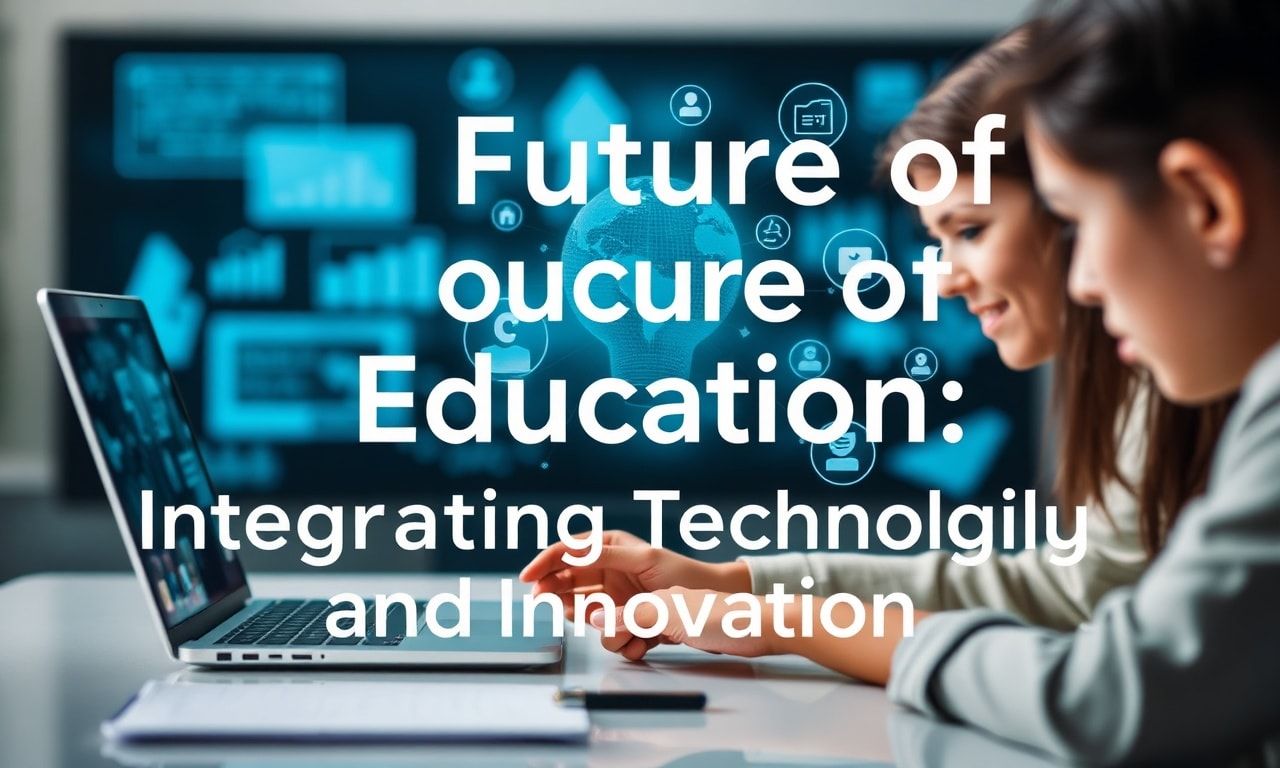
The future of education lies in the integration of technology and innovation. By leveraging the power of technology, educators can create engaging, personalized, and immersive learning experiences that cater to the diverse needs of students. However, it is essential to address the challenges and considerations associated with this integration to ensure that all students can benefit from the opportunities that technology offers.
As we move towards a more digital future, the role of educators will evolve, but their importance will remain steadfast. By embracing technology and continuously adapting to the changing landscape of education, educators can prepare students for success in an increasingly digital world.
To delve deeper into the educational aspects of food systems and nutrition, consider exploring agriculture’s health benefits and its academic implications.
To gain insights into the agricultural sector’s growth and challenges, consider exploring Düsseldorf’s agricultural sector innovations, a compelling case study for students and professionals alike.
To better understand the dynamics of global trade and policy, delve into our analysis of recent international trade shifts and their implications for the modern economy.