The Evolving Landscape of Education
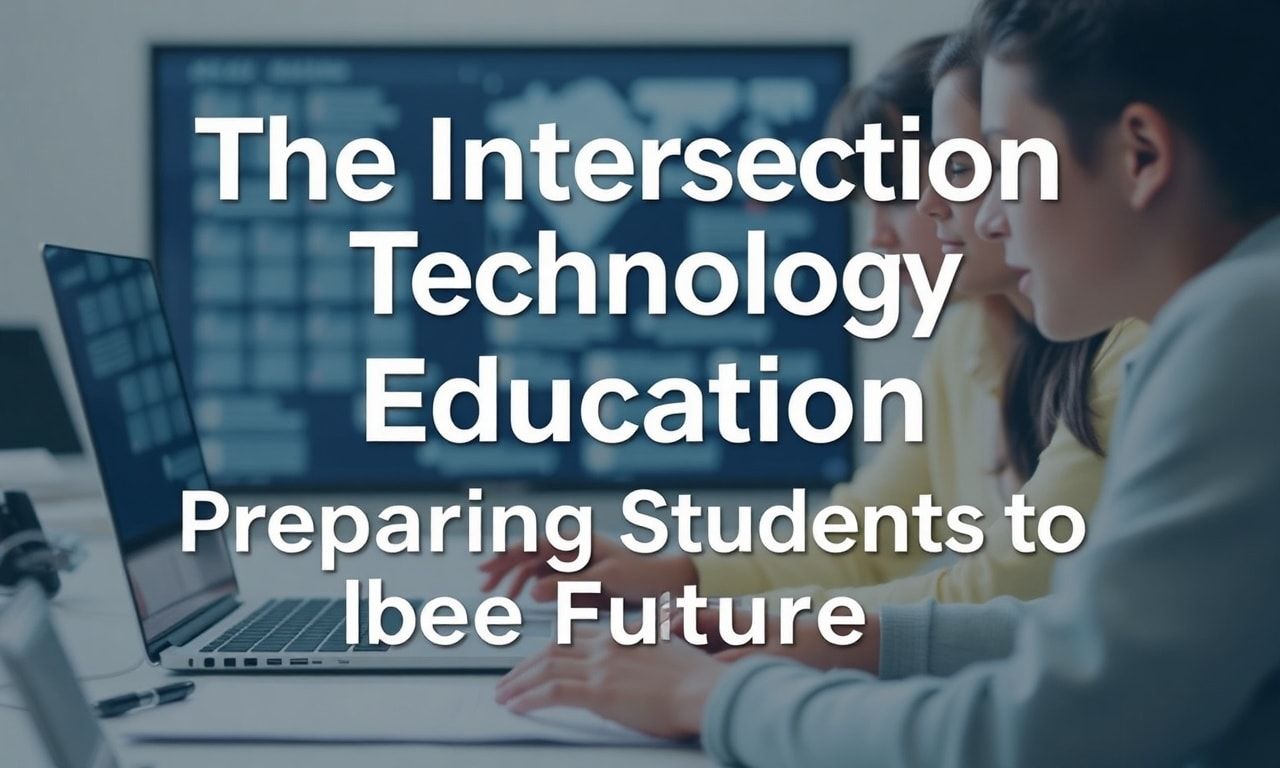
The educational landscape is undergoing a profound transformation, driven by rapid advancements in technology. As we move deeper into the 21st century, the integration of technology in education is not just an option but a necessity. This shift is reshaping how students learn, how teachers instruct, and how educational institutions operate. The goal is to prepare students for a future where technology is ubiquitous, and digital literacy is as fundamental as reading and writing.
The Role of Technology in Modern Education
Technology has become an integral part of modern education, offering tools and resources that enhance learning experiences. From interactive whiteboards to virtual reality (VR) simulations, technology provides immersive and engaging ways for students to absorb information. Online learning platforms, such as Massive Open Online Courses (MOOCs), offer access to high-quality education from top universities and institutions worldwide. These platforms democratize education, making it accessible to anyone with an internet connection.
Moreover, technology facilitates personalized learning. Adaptive learning platforms use artificial intelligence (AI) to tailor educational content to individual student needs, ensuring that each student receives the support they need to succeed. This personalized approach helps students grasp complex concepts at their own pace, reducing the pressure and stress associated with traditional classroom settings.
The Impact of Technology on Teaching Methods
The integration of technology has also revolutionized teaching methods. Teachers now have access to a wide range of digital tools that can make lessons more interactive and engaging. For instance, educational apps and software can transform a dull lecture into an interactive session where students can participate actively. Additionally, technology enables teachers to track student progress more effectively, allowing for timely interventions and support.
Collaborative tools, such as Google Classroom and Microsoft Teams, facilitate communication and collaboration between teachers and students. These platforms allow for seamless sharing of resources, assignments, and feedback, making the learning process more efficient and effective. Furthermore, the rise of online communities and forums provides students with additional support and resources, fostering a sense of community and collaboration.
Preparing Students for the Future Workforce
As technology continues to evolve, so do the skills required in the workforce. The future workforce will demand a different set of skills, including digital literacy, problem-solving, critical thinking, and adaptability. Educational institutions must adapt their curricula to incorporate these skills, ensuring that students are well-prepared for the challenges of the future.
One way to prepare students for the future is by integrating technology into the curriculum. Subjects like coding, robotics, and data science are becoming increasingly important. Schools and universities are introducing these subjects at earlier stages to equip students with the necessary skills. Additionally, extracurricular activities and clubs focused on technology can provide students with hands-on experience and practical skills.
For instance, students interested in automotive technology can benefit from staying updated with the latest advancements in the field. Websites like Honda Civic tech news and updates today offer valuable insights into the latest trends and innovations in automotive technology. This knowledge can be invaluable for students pursuing careers in engineering, design, or related fields.
The Challenges and Considerations
While the integration of technology in education offers numerous benefits, it also presents challenges. One of the primary concerns is the digital divide, where access to technology and the internet is not uniform across different socio-economic groups. This disparity can exacerbate existing educational inequalities, leaving some students at a disadvantage.
To address this issue, educational institutions must ensure that all students have access to the necessary technology and resources. This may involve providing devices and internet access to students who cannot afford them. Additionally, teachers must be adequately trained to use these technologies effectively, ensuring that they can leverage them to enhance the learning experience.
Another challenge is the need for continuous professional development for teachers. As technology evolves, teachers must stay updated with the latest tools and methodologies. Professional development programs and workshops can help teachers adapt to these changes and integrate technology into their teaching practices effectively.
Conclusion
The integration of technology in education is a transformative process that offers immense potential to enhance learning experiences and prepare students for the future. By leveraging technology, educational institutions can provide personalized, engaging, and accessible education to all students. However, it is essential to address the challenges and ensure that all students have equal access to these resources. As we move forward, the collaboration between educators, policymakers, and technology providers will be crucial in shaping the future of education.
To gain a deeper understanding of how education is transforming, consider exploring technology’s role in learning and the benefits of global perspectives in academic settings.
To gain a deeper understanding of how innovation shapes our world, consider exploring future technologies and creative inventions and their impact on society.
To understand how global events shape education, delve into the impact on learning worldwide and gain a broader perspective on academic trends.