The Importance of Lifelong Learning
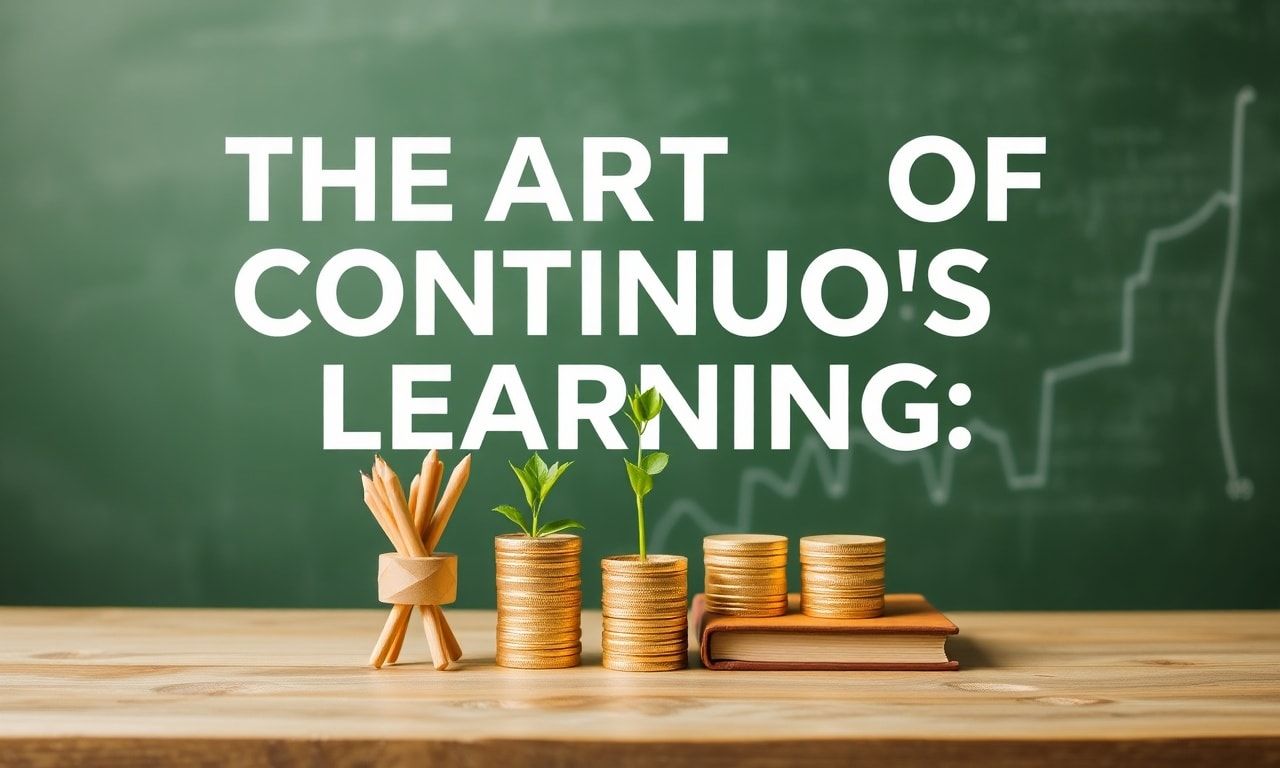
In the rapidly evolving world of today, the concept of lifelong learning has gained significant traction. Unlike traditional education models that focus on acquiring knowledge within a specific timeframe, lifelong learning emphasizes continuous personal and professional development. This approach is not only beneficial for career advancement but also for personal growth and adaptability in an ever-changing environment.
Lifelong learning fosters a growth mindset, encouraging individuals to embrace challenges, learn from failures, and continuously seek new knowledge. This mindset is crucial in education, as it helps students and educators alike to stay curious, resilient, and open to new ideas. By adopting a lifelong learning approach, individuals can better navigate the complexities of the modern world and remain competitive in their respective fields.
Developing a Growth Mindset
A growth mindset is the belief that abilities and intelligence can be developed through dedication and hard work. This concept, popularized by psychologist Carol Dweck, contrasts with a fixed mindset, which assumes that abilities are static and cannot be changed. Cultivating a growth mindset is essential for lifelong learning, as it encourages individuals to view challenges as opportunities for growth rather than obstacles.
To develop a growth mindset, individuals should focus on the following strategies:
- Embrace Challenges: View challenges as opportunities to learn and grow, rather than as threats to your abilities.
- Learn from Criticism: Use feedback and criticism as tools for improvement, rather than taking them personally.
- Find Inspiration in Others’ Success: Instead of feeling threatened by others’ achievements, use them as motivation to improve your own skills.
- Effort is the Path to Mastery: Understand that effort and persistence are key to achieving long-term success and mastery in any field.
Practical Applications in Education
Incorporating a growth mindset into educational practices can have profound effects on student performance and engagement. Educators can foster a growth mindset in their classrooms by:
- Encouraging Effort: Praise students for their effort and persistence, rather than just their achievements.
- Providing Constructive Feedback: Offer specific, actionable feedback that helps students understand how to improve.
- Promoting a Positive Learning Environment: Create a classroom culture that values learning and growth over competition and comparison.
- Teaching Resilience: Help students develop coping strategies and resilience to handle setbacks and challenges.
By implementing these strategies, educators can help students develop a growth mindset that will serve them well throughout their lives. Additionally, integrating practical activities, such as cooking, can enhance learning experiences. For instance, exploring pratik yemek tarifleri kolay can teach students about cultural diversity, nutrition, and culinary skills, making education more engaging and holistic.
The Role of Technology in Lifelong Learning
Technology has revolutionized the way we access and consume information, making lifelong learning more accessible than ever before. Online courses, webinars, and educational apps provide individuals with the tools they need to learn new skills and expand their knowledge at their own pace. These resources cater to diverse learning styles and preferences, making education more inclusive and adaptable.
Moreover, technology enables collaborative learning, allowing individuals to connect with peers and experts from around the world. This global exchange of ideas fosters a richer learning experience and encourages the development of a growth mindset. By leveraging technology, individuals can stay updated with the latest trends and advancements in their fields, ensuring continuous professional and personal growth.
Overcoming Barriers to Lifelong Learning
Despite the numerous benefits of lifelong learning, several barriers can hinder individuals from pursuing continuous education. Common barriers include:
- Time Constraints: Balancing work, family, and personal commitments can make it challenging to find time for learning.
- Financial Limitations: The cost of education and learning resources can be prohibitive for some individuals.
- Lack of Motivation: Without a clear sense of purpose or goal, individuals may struggle to stay motivated and committed to lifelong learning.
- Fear of Failure: The fear of not being able to keep up with the demands of continuous learning can deter individuals from pursuing new knowledge.
To overcome these barriers, individuals can adopt strategies such as setting realistic goals, seeking out affordable learning resources, and creating a supportive learning environment. Additionally, embracing a growth mindset can help individuals view these challenges as opportunities for growth and development.
Conclusion
Lifelong learning is a powerful tool for personal and professional growth, enabling individuals to adapt to the ever-changing demands of the modern world. By cultivating a growth mindset, leveraging technology, and overcoming common barriers, individuals can embrace continuous learning and unlock their full potential. In the realm of education, fostering a growth mindset not only enhances student performance but also prepares them for a lifetime of learning and success.
As we navigate the complexities of the 21st century, the importance of lifelong learning cannot be overstated. By committing to continuous education and personal development, individuals can stay competitive, resilient, and adaptable in an ever-evolving world. Embrace the journey of lifelong learning, and unlock the doors to a world of opportunities and growth.
To enhance your personal growth and academic journey, consider exploring self-care routines for balance, a comprehensive guide on integrating well-being practices into your daily life.
To understand the technological advancements in animation, consider exploring the journey of animated films, which offers a comprehensive look at the industry’s transformation.
Discover how modern applications are transforming our routines and enhancing personal growth in technology’s role in well-being.