The Importance of Lifelong Learning
In today’s rapidly evolving world, the ability to learn and adapt is more crucial than ever. Lifelong learning is not just about acquiring new information; it’s about developing the skills and mindset needed to thrive in an ever-changing environment. Whether you’re a student, a professional, or simply someone passionate about personal growth, understanding the art of learning can significantly enhance your quality of life and career prospects.
Education is a journey that extends far beyond the walls of a classroom. It encompasses a wide range of activities, from formal education and structured courses to self-directed learning and experiential experiences. The key to effective learning lies in adopting strategies that cater to different learning styles and leveraging resources that enhance comprehension and retention.
Understanding Different Learning Styles
People learn in diverse ways, and recognizing your preferred learning style can greatly improve your educational outcomes. The three primary learning styles are visual, auditory, and kinesthetic. Visual learners thrive on diagrams, charts, and other visual aids, while auditory learners benefit from lectures, discussions, and audio recordings. Kinesthetic learners, on the other hand, learn best through hands-on activities and physical engagement.
Understanding your learning style can help you tailor your study methods and choose the right resources. For example, if you’re a visual learner, you might find it helpful to use mind maps and color-coded notes. Auditory learners might prefer listening to podcasts or attending lectures, while kinesthetic learners might benefit from role-playing or practical exercises. By aligning your learning strategies with your preferred style, you can enhance your ability to absorb and retain information.
Strategies for Visual Learners
Visual learners can benefit from a variety of strategies that cater to their preference for visual information. Using diagrams, charts, and graphs can help break down complex concepts into more manageable parts. Color-coding notes and using highlighters can also make information more visually appealing and easier to remember. Additionally, visual learners might find it helpful to watch educational videos or use flashcards to reinforce their learning.
Strategies for Auditory Learners
Auditory learners can enhance their learning experience by engaging in activities that involve listening and speaking. Attending lectures, participating in group discussions, and listening to educational podcasts can all be effective strategies. Recording lectures and listening to them repeatedly can also help reinforce key concepts. Auditory learners might also benefit from explaining concepts out loud or teaching them to others, as this can help solidify their understanding.
Strategies for Kinesthetic Learners
Kinesthetic learners thrive on physical activity and hands-on experiences. Incorporating movement into learning can be highly effective. For example, using physical objects to demonstrate concepts, engaging in role-playing activities, or taking frequent breaks to stretch and move around can all enhance learning. Kinesthetic learners might also benefit from using tools like boxing fight results analysis to understand patterns and strategies in a dynamic way, as this can make abstract concepts more tangible and engaging.
The Role of Technology in Learning
Technology has revolutionized the way we learn, providing access to a wealth of resources and tools that can enhance the learning experience. Online courses, educational apps, and virtual reality simulations are just a few examples of how technology can support different learning styles. For instance, visual learners can use interactive simulations to explore complex concepts, while auditory learners can benefit from podcasts and audiobooks. Kinesthetic learners can engage in virtual labs or use interactive games to reinforce their learning.
Additionally, technology can help learners stay organized and motivated. Learning management systems (LMS) can provide a structured environment for coursework, while productivity apps can help learners manage their time effectively. Online forums and social media groups can also offer opportunities for collaboration and peer support, making the learning process more engaging and interactive.
Developing Critical Thinking and Problem-Solving Skills
Effective learning is not just about acquiring knowledge; it’s also about developing the ability to think critically and solve problems. Critical thinking involves analyzing information, evaluating arguments, and making reasoned judgments. Problem-solving, on the other hand, involves identifying issues, generating potential solutions, and implementing the most effective one.
To develop these skills, learners can engage in activities that encourage analytical thinking, such as debates, case studies, and problem-based learning. Participating in discussions, asking questions, and challenging assumptions can also help sharpen critical thinking skills. Additionally, learners can practice problem-solving by working on real-world problems, engaging in simulations, or participating in competitions that require strategic thinking.
Conclusion
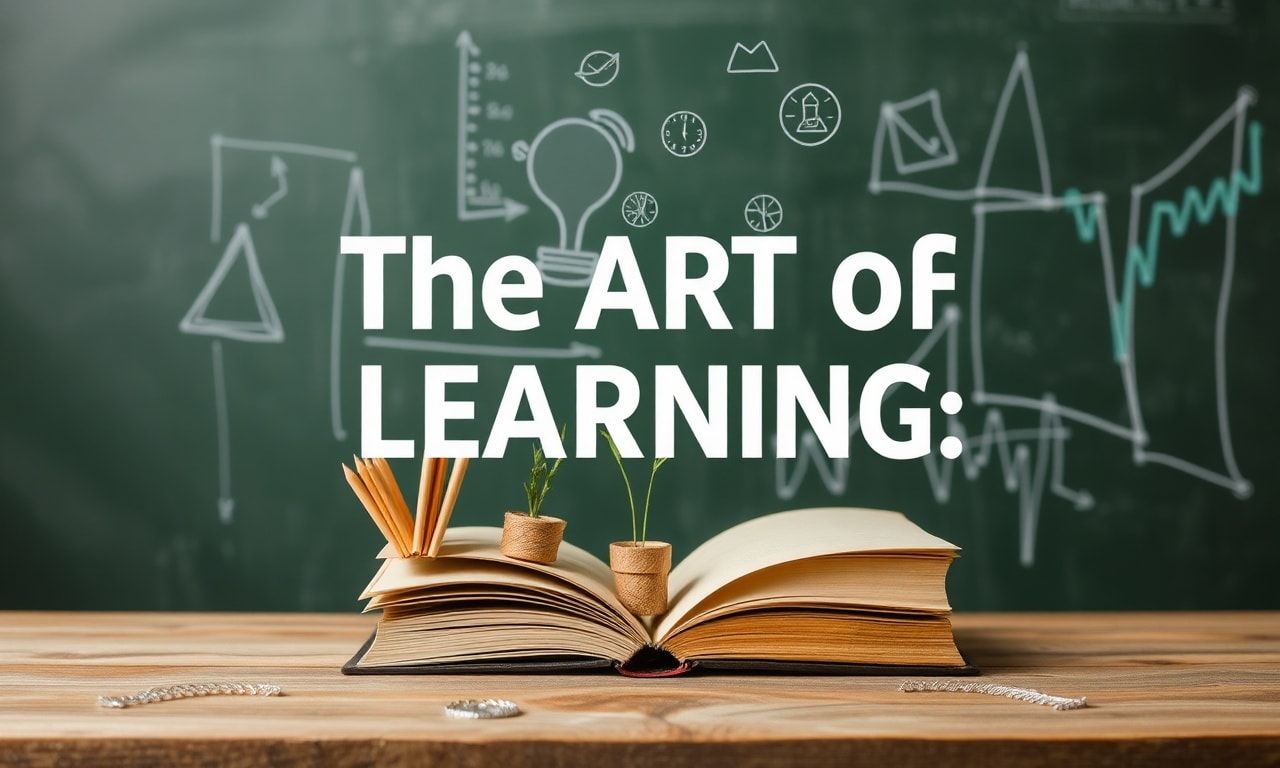
The art of learning is a multifaceted process that involves understanding different learning styles, leveraging technology, and developing critical thinking and problem-solving skills. By adopting strategies that cater to your preferred learning style and utilizing the right resources, you can enhance your ability to absorb and retain information. Whether you’re a student, a professional, or someone passionate about personal growth, embracing the art of learning can open up new opportunities and enrich your life in countless ways.
To stay ahead in today’s rapidly evolving world, consider exploring future tech trends and innovations that are shaping various industries and skill sets.
Discover how community spirit and local initiatives can inspire and educate us all by reading Lisburn’s heroes and their impact.
To ensure a secure learning environment, explore the importance of security in education with SSL and how it safeguards academic data and interactions.