
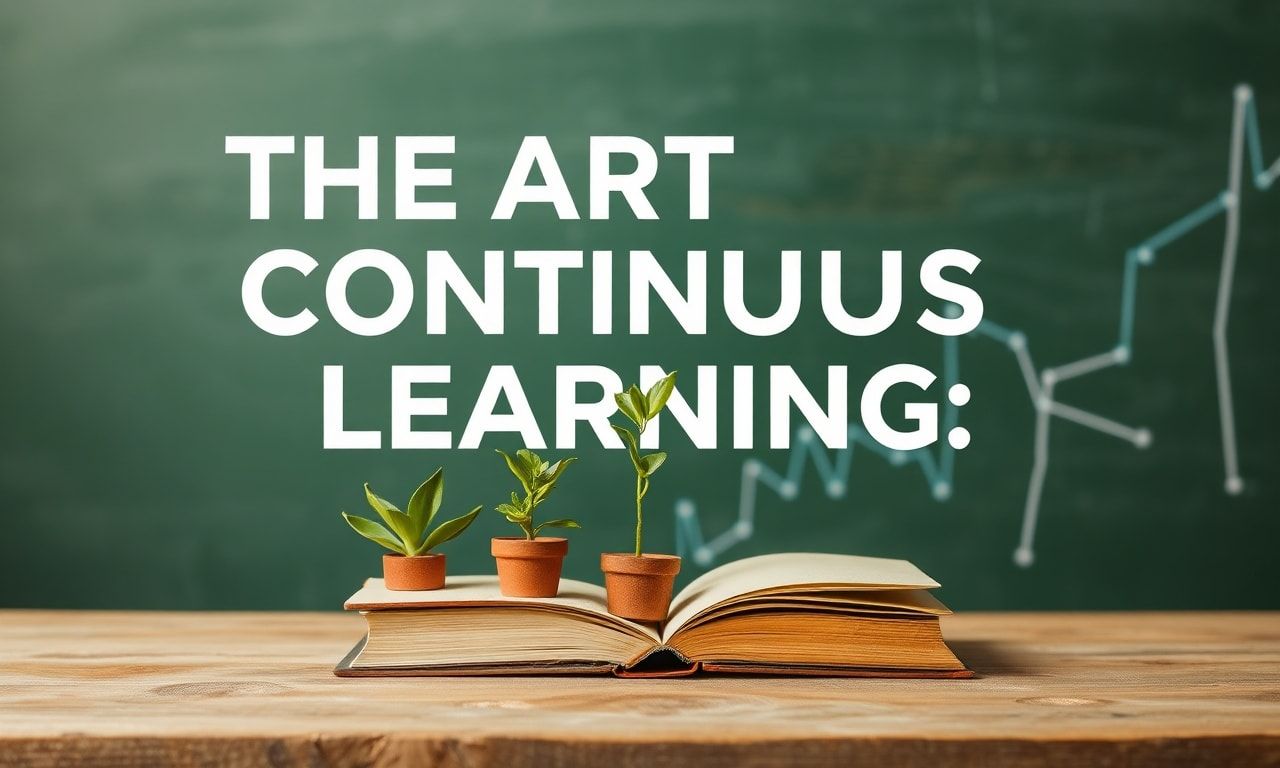
The Importance of Lifelong Learning
In the rapidly evolving world of today, the concept of lifelong learning has gained significant traction. It is no longer sufficient to rely on the education acquired during formal schooling years. Continuous learning is essential to adapt to new technologies, changing job markets, and the ever-expanding body of knowledge. Lifelong learning fosters personal growth, enhances professional skills, and keeps the mind sharp and agile.
Understanding the Growth Mindset
A growth mindset, a term coined by psychologist Carol Dweck, is the belief that abilities and intelligence can be developed through dedication and hard work. This mindset is crucial for lifelong learning. Individuals with a growth mindset embrace challenges, learn from criticism, and find lessons and inspiration in the success of others. They understand that effort is the path to mastery. Cultivating a growth mindset can transform the way we approach learning and personal development.
Benefits of a Growth Mindset
The benefits of adopting a growth mindset are manifold. It encourages resilience, as setbacks are seen as opportunities to learn rather than as failures. It fosters a love for learning, as each new challenge is an opportunity to grow. Additionally, a growth mindset can lead to better relationships, as it encourages empathy and understanding. It also promotes a sense of fulfillment and purpose, as individuals feel they are continually evolving and improving.
Strategies for Cultivating a Growth Mindset
Cultivating a growth mindset requires conscious effort and practice. Here are some strategies to help you develop this mindset:
- Embrace Challenges: View challenges as opportunities to grow rather than as threats. Step out of your comfort zone and tackle new and difficult tasks.
- Learn from Criticism: See criticism as a chance to improve. Ask for feedback and use it to make positive changes.
- Find Inspiration in Others: Learn from the success of others and use it as motivation to improve your own skills and abilities.
- Effort is the Path to Mastery: Understand that effort and practice are essential for achieving mastery. Celebrate the process of learning and improvement.
- Reframe Failure: View failure as a natural part of the learning process. Learn from your mistakes and use them to fuel your growth.
The Role of Curiosity in Lifelong Learning
Curiosity is the driving force behind lifelong learning. It is the desire to know and understand more about the world around us. Curiosity fuels the quest for knowledge and keeps the learning process engaging and exciting. It encourages us to ask questions, explore new ideas, and seek out new experiences. By nurturing our curiosity, we can make learning a lifelong journey of discovery and growth.
How to Foster Curiosity
Fostering curiosity involves creating an environment that encourages questioning and exploration. Here are some ways to nurture curiosity:
- Ask Open-Ended Questions: Encourage questioning by asking open-ended questions that stimulate critical thinking and exploration.
- Explore New Topics: Step out of your comfort zone and explore new subjects and areas of interest. This can be done through reading, attending lectures, or taking online courses.
- Engage in Hands-On Activities: Participate in activities that allow you to learn by doing. This can be through experiments, projects, or real-world applications.
- Seek Out faits intéressants culture générale: Discover fascinating facts and trivia about various subjects to spark your interest and deepen your understanding.
- Reflect on Your Experiences: Take time to reflect on what you have learned and how it has shaped your understanding of the world.
The Impact of Technology on Lifelong Learning
Technology has revolutionized the way we access and consume information. It has made learning more accessible, flexible, and personalized. Online courses, educational apps, and virtual classrooms have made it possible to learn anytime, anywhere. Technology has also made it easier to connect with experts and peers, fostering a sense of community and collaboration. By leveraging technology, we can make lifelong learning more engaging, efficient, and effective.
Tips for Effective Online Learning
Online learning offers numerous benefits, but it also comes with its own set of challenges. Here are some tips to make the most of your online learning experience:
- Set Clear Goals: Define what you want to achieve through your online learning journey. Set specific, measurable, achievable, relevant, and time-bound (SMART) goals.
- Create a Study Schedule: Establish a consistent study routine to stay on track and make progress towards your goals.
- Stay Organized: Use tools and apps to keep your learning materials organized and easily accessible.
- Engage with the Community: Participate in online forums, discussion boards, and study groups to connect with fellow learners and gain different perspectives.
- Take Breaks: Avoid burnout by taking regular breaks and practicing self-care. This will help you stay focused and motivated.
Conclusion
Lifelong learning is a journey of continuous growth and self-improvement. By cultivating a growth mindset, fostering curiosity, and leveraging technology, we can make learning a lifelong pursuit. Embrace the challenges and opportunities that come your way, and remember that every step forward, no matter how small, brings you closer to mastery. Keep learning, keep growing, and keep exploring the endless possibilities that the world of knowledge has to offer.
To enhance your understanding of modern education, consider exploring integrating technology in learning, a topic that is shaping the future of academic skills and courses.
To broaden your understanding of how education shapes global perspectives, consider exploring education’s role in global awareness, a comprehensive guide that delves into this vital connection.
To enhance your online shopping skills and ensure secure transactions, consider exploring e-commerce shopping tips and tricks that can make your experience both safe and efficient.