
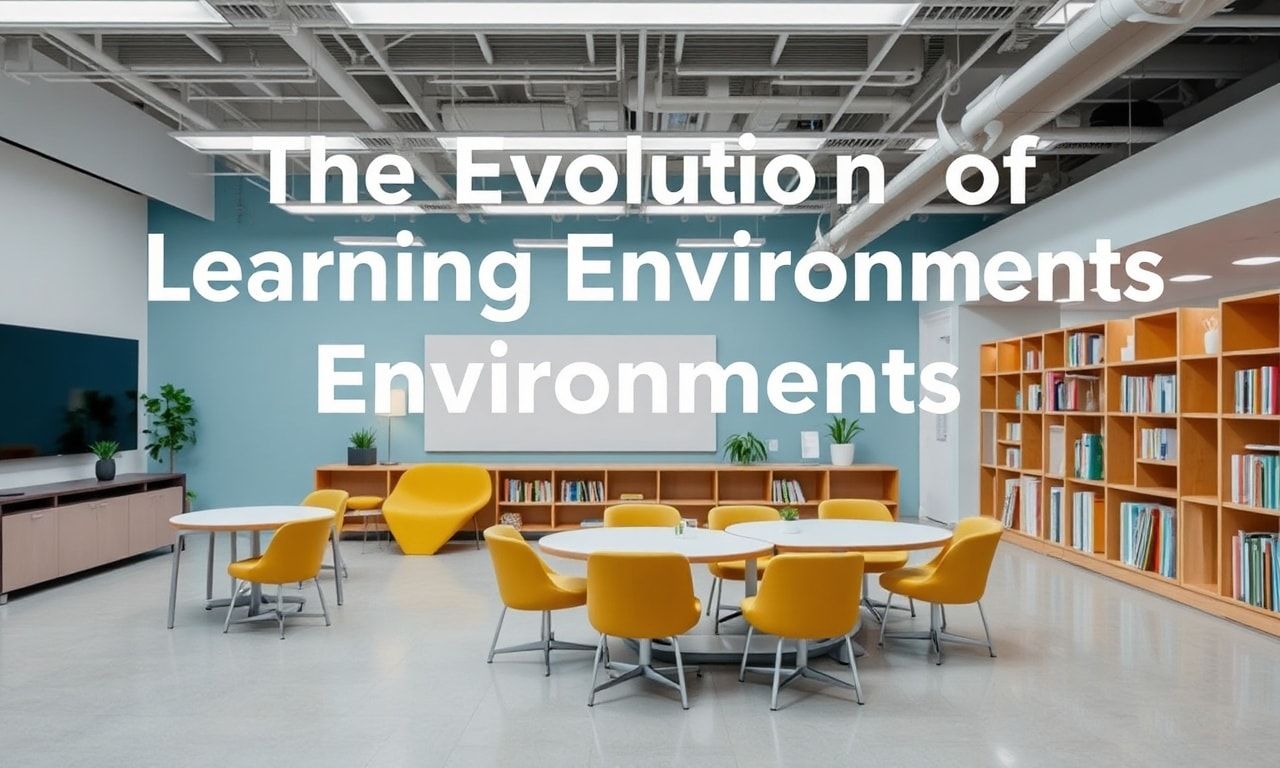
The Changing Landscape of Education
The world of education is constantly evolving, driven by technological advancements, pedagogical innovations, and a deeper understanding of how students learn. One of the most significant changes in recent years has been the shift towards creating more dynamic and flexible learning environments. These spaces are designed to foster collaboration, critical thinking, and creativity, moving away from the traditional rows of desks and teacher-centered classrooms.
As educators and institutions strive to create these optimal learning environments, they are turning to a variety of resources and ideas. For instance, understanding how to effectively divide and utilize classroom space can greatly enhance the learning experience. This is where popular articles recommended reading can provide valuable insights and practical tips.
The Importance of Flexible Learning Spaces
Flexible learning spaces are at the heart of modern education. These environments are designed to be easily reconfigured to suit different teaching methods and learning activities. They often include movable furniture, modular walls, and technology integration, allowing for seamless transitions between individual study, group work, and whole-class instruction.
Research has shown that flexible learning spaces can have a positive impact on student engagement and achievement. When students have the freedom to choose where and how they learn, they are more likely to feel empowered and motivated. Additionally, these spaces can help to break down the traditional barriers between subjects, encouraging interdisciplinary learning and collaboration.
Designing Flexible Learning Spaces
Designing a flexible learning space requires careful planning and consideration. Here are some key elements to keep in mind:
- Movable Furniture: Invest in furniture that can be easily rearranged to create different layouts. This could include lightweight chairs, tables on wheels, and stackable storage units.
- Modular Walls: Use modular walls or room dividers to create separate areas within a larger space. These can be moved and reconfigured as needed, allowing for greater flexibility.
- Technology Integration: Ensure that the space is equipped with the necessary technology to support different learning activities. This could include interactive whiteboards, projectors, and wireless presentation systems.
- Comfort and Ergonomics: Prioritize comfort and ergonomics when selecting furniture and equipment. This can help to reduce fatigue and improve concentration.
- Natural Light and Ventilation: Maximize natural light and ventilation to create a bright and airy learning environment. This can have a positive impact on mood and productivity.
The Role of Technology in Modern Learning Environments
Technology has become an integral part of modern learning environments. From virtual reality to online collaboration tools, technology is transforming the way students learn and teachers instruct. It is enabling personalized learning experiences, providing instant feedback, and facilitating global collaboration.
However, it is important to note that technology should be used as a tool to enhance learning, not replace traditional teaching methods. The most effective learning environments are those that strike a balance between technology and human interaction, providing students with a well-rounded educational experience.
Incorporating Technology into Learning Spaces
Here are some ways to effectively incorporate technology into learning spaces:
- Interactive Displays: Use interactive whiteboards or displays to engage students and facilitate collaborative learning.
- Virtual Reality: Incorporate virtual reality technology to provide immersive learning experiences, such as virtual field trips or simulations.
- Online Collaboration Tools: Utilize online collaboration tools to facilitate group work and communication, both in and out of the classroom.
- Personalized Learning Platforms: Implement personalized learning platforms to tailor educational content to each student’s individual needs and pace.
- Instant Feedback Systems: Use instant feedback systems to provide real-time assessment and support, helping students to identify and address areas of improvement.
Fostering Collaboration and Critical Thinking
Collaboration and critical thinking are essential skills for success in the 21st century. Modern learning environments should be designed to foster these skills, providing students with opportunities to work together, share ideas, and solve complex problems.
One way to promote collaboration is through the use of group work and project-based learning. These activities encourage students to communicate effectively, delegate tasks, and work towards a common goal. Additionally, they provide a platform for students to develop their critical thinking skills by analyzing information, evaluating different perspectives, and making informed decisions.
Strategies for Fostering Collaboration and Critical Thinking
Here are some strategies for fostering collaboration and critical thinking in learning environments:
- Group Work: Incorporate group work into lessons and assignments, providing students with opportunities to collaborate and learn from one another.
- Project-Based Learning: Implement project-based learning activities that encourage students to apply their knowledge and skills to real-world problems.
- Socratic Seminars: Use Socratic seminars to facilitate open-ended discussions and debates, encouraging students to think critically and articulate their ideas.
- Peer Review: Incorporate peer review into the learning process, providing students with the opportunity to give and receive constructive feedback.
- Reflection and Self-Assessment: Encourage students to reflect on their learning and self-assess their progress, helping them to develop metacognitive skills and take ownership of their education.
Conclusion
The evolution of learning environments is a testament to the ongoing efforts of educators and institutions to create spaces that cater to the diverse needs of students. By embracing flexibility, technology, and collaborative learning, we can create environments that not only support academic achievement but also foster the development of essential life skills. As we continue to explore and innovate, let us remember that the ultimate goal is to empower students to reach their full potential and become lifelong learners.