
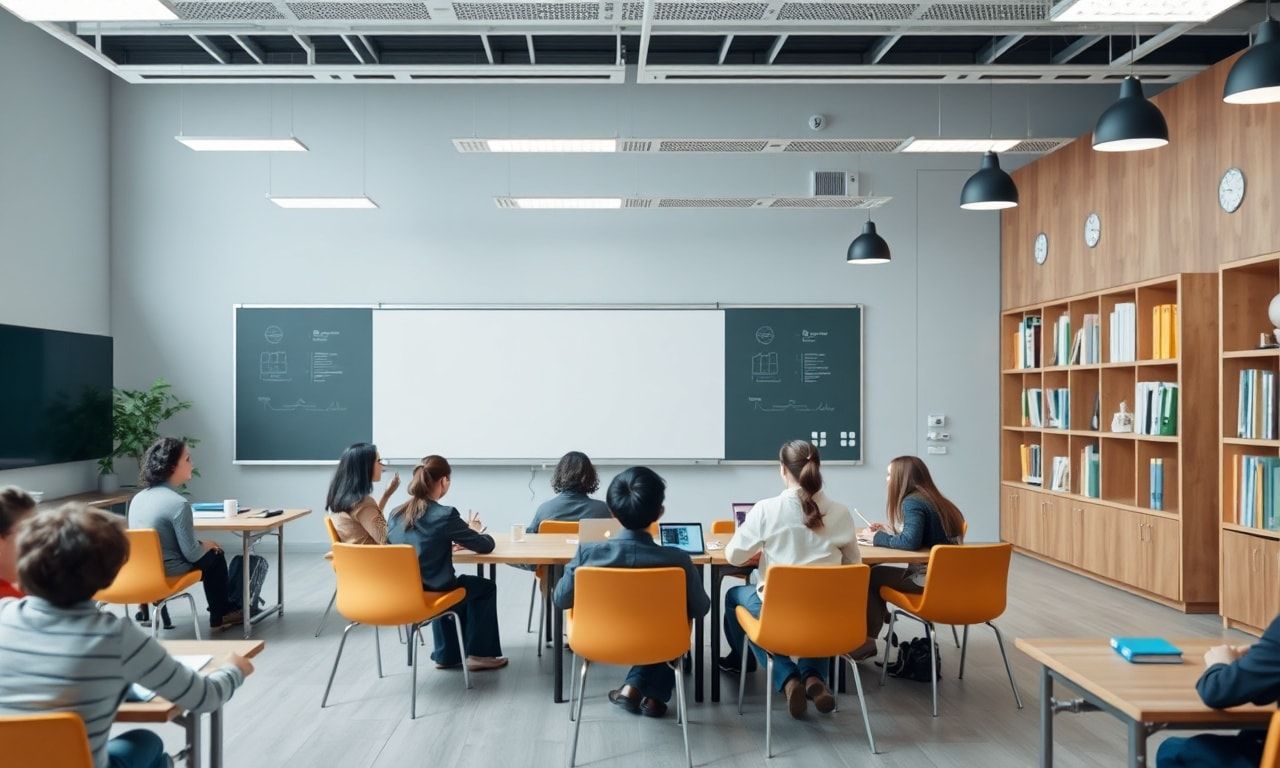
The Importance of Adaptable Learning Spaces
The landscape of education is continually evolving, driven by technological advancements and changing pedagogical approaches. One of the most significant shifts in recent years has been the emphasis on adaptable learning spaces. These environments are designed to cater to diverse learning styles and needs, fostering a more inclusive and effective educational experience. Schools and universities are increasingly recognizing the importance of flexible spaces that can be reconfigured to support various activities, from collaborative group work to individual study sessions.
Technological Integration in Modern Education
Technology has become an integral part of the educational process, transforming how students learn and teachers instruct. The integration of digital tools and platforms has opened up new avenues for personalized learning, enabling educators to tailor instruction to individual student needs. Virtual reality (VR), augmented reality (AR), and artificial intelligence (AI) are just a few examples of technologies that are revolutionizing the classroom. These tools not only make learning more engaging but also provide opportunities for experiential learning that were previously unavailable.
For instance, VR can transport students to historical sites or scientific laboratories, offering immersive experiences that enhance understanding and retention. Similarly, AI-driven platforms can analyze student performance data to identify areas where additional support is needed, allowing for more targeted and effective interventions. The seamless integration of technology into the curriculum is essential for preparing students for a future where digital literacy is a fundamental skill.
Case Study: Innovative Learning Environments
One notable example of innovative learning environments is the implementation of flexible seating arrangements in classrooms. Traditional rows of desks are being replaced with a variety of seating options, including bean bags, standing desks, and collaborative workstations. This approach acknowledges that students learn best in different ways and at different paces. By providing a range of seating choices, educators can create a more dynamic and inclusive learning environment that caters to diverse needs.
Additionally, the use of modular furniture allows for easy reconfiguration of classroom layouts to suit different activities. For example, a classroom can be quickly transformed from a space for group discussions to one for individual study or presentations. This flexibility not only enhances the learning experience but also encourages students to take an active role in shaping their educational environment.
The Role of Community in Education
Education is not solely the responsibility of schools and teachers; it is a collective effort that involves the broader community. Community engagement plays a crucial role in supporting student learning and development. Partnerships with local businesses, cultural institutions, and community organizations can provide students with valuable real-world experiences and resources that complement classroom instruction.
For example, collaborating with local businesses can offer students opportunities for internships, job shadowing, and hands-on learning experiences. Cultural institutions, such as museums and art galleries, can provide enriching field trips and educational programs that enhance students’ understanding of various subjects. Community organizations can also support educational initiatives by offering after-school programs, tutoring services, and mentorship opportunities.
In some communities, local governments play a significant role in supporting educational initiatives. For instance, the Şişli belediye hizmetleri güncelleme in Turkey has been instrumental in enhancing educational facilities and resources in the Şişli district. By investing in infrastructure and providing access to modern learning tools, local governments can help create a more equitable and supportive educational environment for all students.
Building Stronger Community Ties
Building stronger ties between schools and the community can have a profound impact on student success. When schools actively engage with community members, they can create a network of support that extends beyond the classroom. This collaborative approach not only enriches the learning experience but also fosters a sense of belonging and connection among students.
Community involvement can also help address some of the challenges faced by schools, such as limited resources and funding. By leveraging community partnerships, schools can access additional resources and expertise that can enhance the quality of education. For example, local businesses may donate supplies, provide funding for educational programs, or offer their facilities for educational events.
The Future of Education: Trends and Predictions
The future of education is shaped by a variety of emerging trends and predictions. One of the most significant trends is the increasing emphasis on personalized learning. As technology continues to advance, educators are better equipped to tailor instruction to individual student needs, ensuring that each student receives the support and resources necessary for success.
Another trend is the growing focus on social-emotional learning (SEL). Recognizing the importance of mental health and well-being, schools are incorporating SEL into their curricula to help students develop essential skills such as empathy, resilience, and self-awareness. This holistic approach to education aims to prepare students not only for academic success but also for the challenges of life beyond the classroom.
Additionally, the rise of online learning and blended learning models is transforming the educational landscape. These models offer greater flexibility and accessibility, allowing students to learn at their own pace and on their own schedule. As technology continues to evolve, online learning platforms are becoming more sophisticated, offering interactive and engaging learning experiences that rival traditional classroom settings.
Preparing for the Future
As the educational landscape continues to evolve, it is essential for educators, policymakers, and community members to work together to create a supportive and inclusive learning environment. By embracing change and leveraging the latest technologies and pedagogical approaches, we can ensure that all students have the opportunity to thrive and succeed in the 21st century.
Investing in education is an investment in the future. By prioritizing adaptable learning spaces, technological integration, community engagement, and personalized learning, we can create a more equitable and effective educational system that meets the needs of all students. The future of education is bright, and with the right strategies and support, we can ensure that every student has the opportunity to reach their full potential.