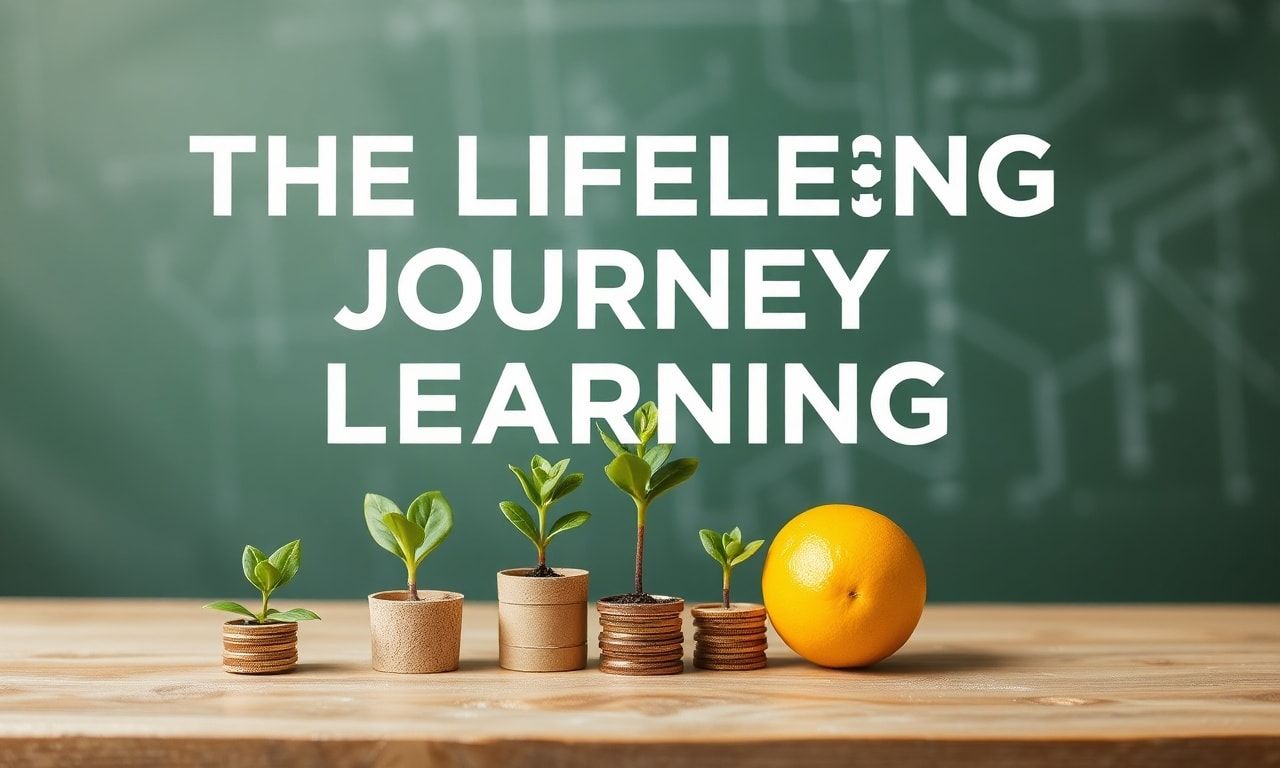
The Importance of Lifelong Learning
In the rapidly evolving world of the 21st century, the concept of education has transcended the traditional boundaries of classrooms and textbooks. Lifelong learning has emerged as a critical component of personal and professional development. This ongoing process of acquiring new skills, knowledge, and attitudes not only enhances our cognitive abilities but also fosters adaptability and resilience in the face of change. Embracing lifelong learning is essential for staying relevant in an ever-changing job market and for personal growth.
Why Lifelong Learning Matters
Lifelong learning is not just about acquiring new information; it’s about cultivating a mindset that values curiosity, critical thinking, and continuous improvement. This approach to learning can lead to numerous benefits, including:
- Enhanced Cognitive Function: Engaging in regular learning activities can improve memory, problem-solving skills, and overall mental agility.
- Increased Employability: Continuous skill development makes individuals more adaptable and valuable in the workforce, opening up new career opportunities.
- Personal Fulfillment: Learning new things can be intrinsically rewarding, boosting self-esteem and providing a sense of accomplishment.
- Better Health Outcomes: Studies have shown that lifelong learners often experience better mental and physical health, thanks to the cognitive stimulation and social engagement that learning provides.
Developing a Growth Mindset
A growth mindset, a term coined by psychologist Carol Dweck, is the belief that abilities and intelligence can be developed through dedication and hard work. This mindset is crucial for lifelong learning, as it encourages individuals to embrace challenges, learn from failures, and persist in the face of obstacles. Unlike a fixed mindset, which assumes that abilities are static, a growth mindset fosters a love for learning and a resilience that is essential for personal and professional success.
Strategies for Cultivating a Growth Mindset
Developing a growth mindset requires conscious effort and practice. Here are some strategies to help you cultivate this mindset:
- Embrace Challenges: View challenges as opportunities for growth rather than threats. Step out of your comfort zone and tackle new and difficult tasks.
- Learn from Criticism: Accept constructive criticism as a tool for improvement. Use feedback to identify areas for growth and develop strategies to address them.
- Find Inspiration in Others: Look to role models who exemplify a growth mindset. Learn from their experiences and apply their strategies to your own life.
- Reflect on Your Progress: Regularly reflect on your learning journey. Celebrate your achievements and identify areas where you can improve.
- Read personal development books recommended: Engage with literature that emphasizes the power of a growth mindset and provides practical tips for applying these principles to your life.
The Role of Formal and Informal Education
Both formal and informal education play vital roles in lifelong learning. Formal education, such as courses, workshops, and degree programs, provides structured learning environments that can help individuals acquire specific skills and knowledge. Informal education, on the other hand, includes self-directed learning, online resources, and real-world experiences. This type of learning is often more flexible and tailored to individual needs and interests.
Balancing Formal and Informal Learning
To maximize the benefits of lifelong learning, it’s essential to strike a balance between formal and informal education. Here are some tips for achieving this balance:
- Set Clear Goals: Identify your learning objectives and choose the most appropriate learning methods to achieve them. For example, if you need to acquire a specific skill for your job, a formal course might be the best option. If you’re exploring a new hobby, informal learning through online resources or community classes might be more suitable.
- Create a Learning Plan: Develop a structured learning plan that incorporates both formal and informal education. Allocate time for courses, workshops, and self-directed learning activities.
- Leverage Technology: Utilize online platforms, apps, and tools to access a wide range of learning resources. Websites like Coursera, Khan Academy, and LinkedIn Learning offer courses on various topics, while apps like Duolingo and Quizlet can help you learn new languages and study more effectively.
- Join Learning Communities: Engage with communities of learners, both online and offline. Participate in discussion forums, attend workshops, and join study groups to share knowledge and gain new insights.
Overcoming Barriers to Lifelong Learning
Despite the numerous benefits of lifelong learning, many individuals face barriers that hinder their ability to engage in continuous education. These barriers can include time constraints, financial limitations, lack of access to resources, and personal beliefs about learning. Overcoming these challenges requires a proactive approach and a commitment to personal growth.
Strategies for Overcoming Barriers
Here are some strategies to help you overcome common barriers to lifelong learning:
- Manage Your Time Effectively: Create a schedule that prioritizes learning activities. Set aside dedicated time each day or week for learning, and use time management techniques like the Pomodoro Technique to stay focused and productive.
- Explore Affordable Learning Options: Look for free or low-cost learning resources, such as online courses, webinars, and open educational resources (OERs). Many universities and organizations offer free courses and materials that can help you acquire new skills without breaking the bank.
- Leverage Technology: Use technology to access learning resources from anywhere at any time. Online platforms, mobile apps, and digital libraries provide convenient and flexible learning opportunities.
- Seek Support: Reach out to friends, family, and mentors for encouragement and guidance. Join learning communities and participate in group activities to stay motivated and accountable.
- Challenge Your Beliefs: Reflect on your attitudes towards learning and identify any limiting beliefs that may be holding you back. Replace negative thoughts with positive affirmations and focus on the benefits of lifelong learning.
Conclusion
Lifelong learning is a journey of continuous growth and self-improvement. By cultivating a growth mindset, balancing formal and informal education, and overcoming barriers to learning, you can unlock your full potential and achieve your personal and professional goals. Embrace the power of lifelong learning and make it an integral part of your life. Remember, every new skill you acquire and every challenge you overcome brings you one step closer to becoming the best version of yourself.