
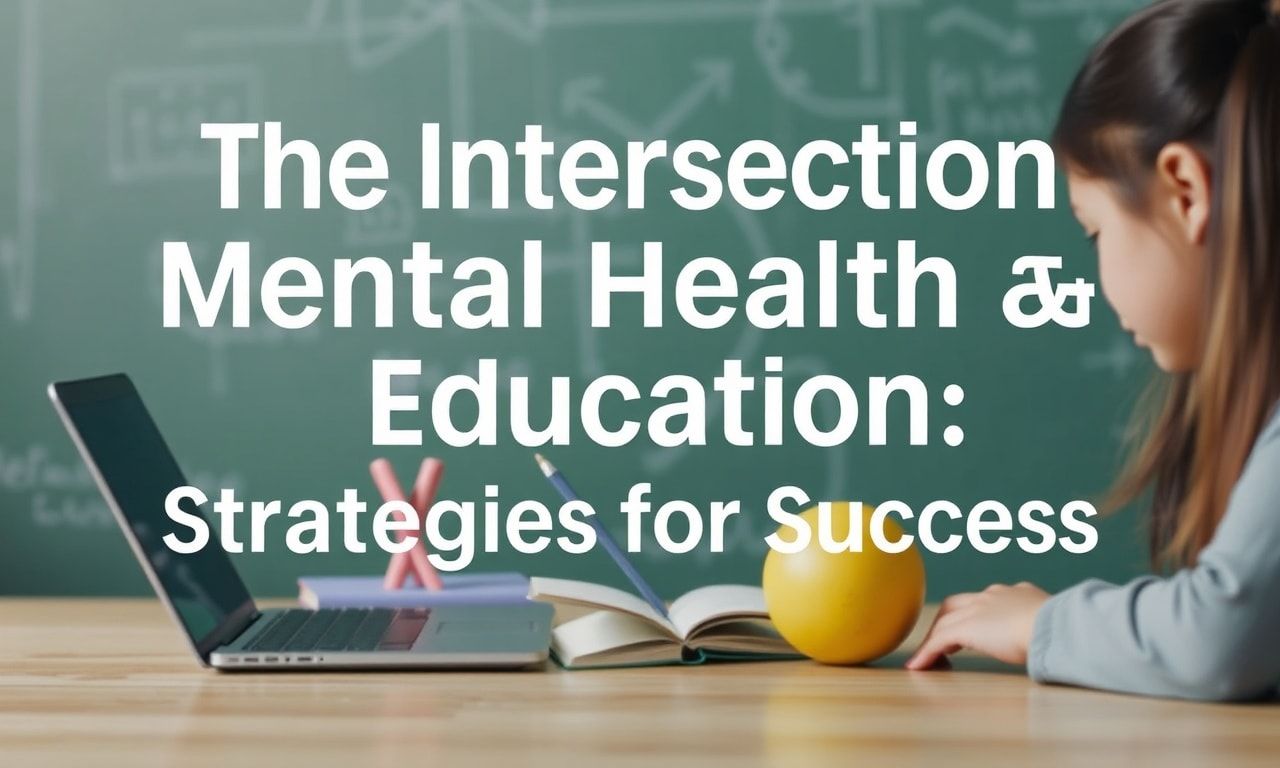
The Importance of Mental Health in Education
In the realm of education, the focus has traditionally been on academic achievement and the acquisition of knowledge. However, there is a growing recognition of the critical role that mental health plays in a student’s overall success. Mental health affects a student’s ability to learn, retain information, and engage with their peers and educators. It is essential for educational institutions to prioritize mental health awareness and support to create a conducive learning environment.
Understanding Mental Health in the Educational Context
Mental health encompasses a range of emotional, psychological, and social well-being factors. In the context of education, it includes aspects such as stress management, emotional regulation, and the ability to cope with academic pressures. Students who struggle with mental health issues may experience difficulties in concentration, motivation, and maintaining healthy relationships. Educators and institutions must be equipped to recognize these signs and provide appropriate support.
Common Mental Health Challenges in Education
Students face a variety of mental health challenges that can impact their educational journey. These challenges include:
- Anxiety and Stress: Academic pressures, exams, and the fear of failure can lead to anxiety and stress, which can hinder a student’s performance and overall well-being.
- Depression: Feelings of sadness, hopelessness, and a lack of interest in activities can significantly affect a student’s ability to engage in their studies.
- Attention Deficit Hyperactivity Disorder (ADHD): Students with ADHD may struggle with focus, impulsivity, and hyperactivity, which can impact their academic progress.
- Eating Disorders: The pressure to conform to certain body standards can lead to eating disorders, which can have severe physical and mental health consequences.
Strategies for Promoting Mental Health in Education
To foster a supportive and inclusive educational environment, several strategies can be implemented. These strategies aim to promote mental health awareness, provide resources, and create a safe space for students to seek help.
Mental Health Education and Awareness
Educating students about mental health is a crucial first step in promoting awareness and understanding. Schools can incorporate mental health education into their curricula, teaching students about the importance of mental well-being, coping mechanisms, and where to seek help. Additionally, workshops and seminars can be organized to provide students with the latest updates on mental health awareness. For more information, you can visit latest updates on mental health awareness.
Creating a Supportive Environment
Creating a supportive environment involves fostering a culture of openness and acceptance. Educators should be trained to recognize the signs of mental health issues and provide appropriate support. Peer support groups can also be established to encourage students to share their experiences and seek help from their peers. Schools should also have counselors and mental health professionals available to provide guidance and support to students in need.
Promoting Healthy Lifestyles
Encouraging students to adopt healthy lifestyles can significantly improve their mental well-being. This includes promoting physical activity, a balanced diet, and adequate sleep. Schools can organize sports activities, nutrition workshops, and sleep hygiene seminars to educate students about the importance of a healthy lifestyle. Additionally, mindfulness and meditation practices can be introduced to help students manage stress and anxiety.
The Role of Educators in Supporting Mental Health
Educators play a pivotal role in supporting the mental health of their students. They are often the first to notice changes in a student’s behavior or academic performance that may indicate mental health issues. Educators should be trained to recognize these signs and provide appropriate support. They should also create a classroom environment that is inclusive, supportive, and free from stigma. By fostering a positive and supportive classroom environment, educators can help students feel valued and understood, which can significantly improve their mental well-being.
Conclusion
The intersection of mental health and education is a critical area that requires attention and action. By prioritizing mental health awareness, providing support, and creating a conducive learning environment, educational institutions can help students achieve their full potential. It is essential for educators, students, and parents to work together to promote mental health and well-being in the educational setting. By doing so, we can create a generation of students who are not only academically successful but also emotionally resilient and mentally healthy.
To ensure the safety of online learning environments, consider the importance of secure connections in education and how SSL certificates play a crucial role.
Discover how alternative methods like acupuncture can enhance learning experiences by exploring innovations in education techniques.
To enhance your personal growth and well-being, consider exploring the strategies outlined in creating a healthy lifestyle daily.