The Importance of Holistic Education
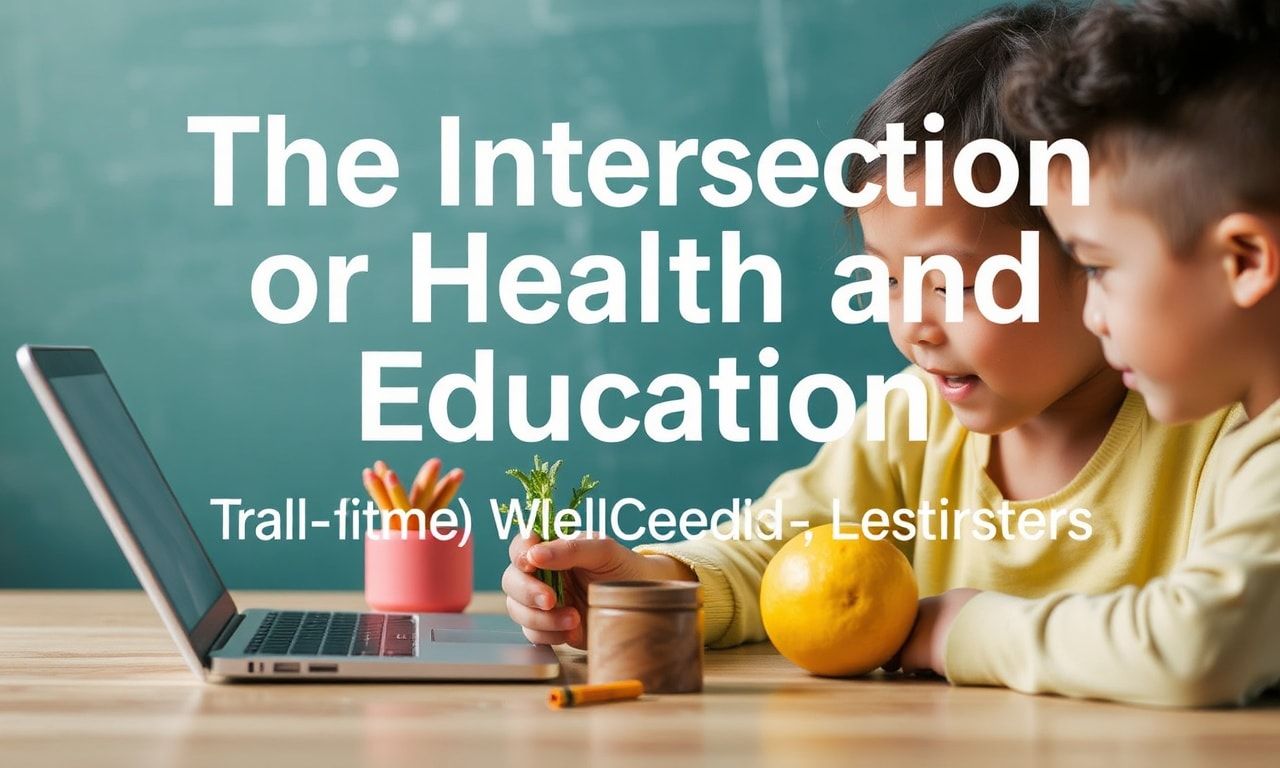
Education is a multifaceted journey that extends beyond the confines of textbooks and classrooms. It encompasses the holistic development of individuals, nurturing not only their intellectual capabilities but also their physical, emotional, and social well-being. In this article, we explore the critical role of health in education and how fostering a balanced approach can lead to well-rounded learners who are equipped to thrive in all aspects of life.
Physical Health and Academic Performance
Numerous studies have shown a strong correlation between physical health and academic performance. Students who engage in regular physical activity tend to exhibit better concentration, improved memory, and enhanced cognitive function. Incorporating physical education into the school curriculum is not just about promoting fitness; it’s about creating an environment where students can learn more effectively. Schools can encourage activities such as sports, yoga, and mindfulness practices to help students manage stress and improve their overall well-being.
Nutrition and Learning
Nutrition plays a pivotal role in a student’s ability to learn and retain information. A balanced diet rich in essential nutrients can boost brain function, enhance memory, and increase energy levels. Schools can promote healthy eating habits by providing nutritious meals and snacks, as well as educating students about the importance of a well-rounded diet. By fostering a culture of healthy eating, schools can help students achieve their full academic potential.
Mental Health and Emotional Well-being
Mental health is a crucial component of overall well-being and is closely linked to academic success. Students who struggle with anxiety, depression, or other mental health issues may find it challenging to focus on their studies and perform to the best of their abilities. Schools can support mental health by offering counseling services, promoting mindfulness practices, and creating a supportive and inclusive environment where students feel valued and understood. Addressing mental health proactively can lead to a more positive and productive learning experience for all students.
Social and Emotional Learning (SEL)
Social and Emotional Learning (SEL) is an essential aspect of education that focuses on developing skills such as self-awareness, self-management, social awareness, relationship skills, and responsible decision-making. SEL programs help students build strong relationships, manage emotions effectively, and make responsible choices. By integrating SEL into the curriculum, schools can create a more inclusive and supportive learning environment where students feel empowered to succeed.
The Role of Parents and Community
Parents and the community play a vital role in supporting the holistic development of students. Parents can encourage healthy habits at home, such as regular exercise, balanced meals, and adequate sleep, which can positively impact their child’s academic performance. Community involvement, such as volunteering, mentoring, and participating in local events, can also provide students with valuable learning experiences and a sense of belonging. By working together, parents, schools, and the community can create a supportive network that fosters the growth and success of all students.
Child Health Development Tips
For more insights into child health development, parents and educators can refer to resources like child health development tips, which offer practical advice on promoting physical, emotional, and social well-being in children. These resources can provide valuable guidance on creating a nurturing environment that supports the holistic development of young learners.
Conclusion
The intersection of health and education is a critical area that deserves attention and investment. By prioritizing the physical, mental, and emotional well-being of students, schools can create an environment where learning thrives. Through a collaborative effort involving educators, parents, and the community, we can foster well-rounded learners who are equipped to succeed in all aspects of life. Embracing a holistic approach to education is not just about improving academic outcomes; it’s about nurturing the next generation of healthy, happy, and resilient individuals.
To enhance learning environments, consider exploring health and education strategies that foster student well-being and academic success.
To broaden your understanding of cultural fashion evolution, consider exploring traditional kimono’s modern twist, a fascinating blend of heritage and contemporary style.
To deepen your understanding of global culinary arts, consider exploring Asian cuisine’s rich traditions, a fascinating journey through flavors and techniques.