
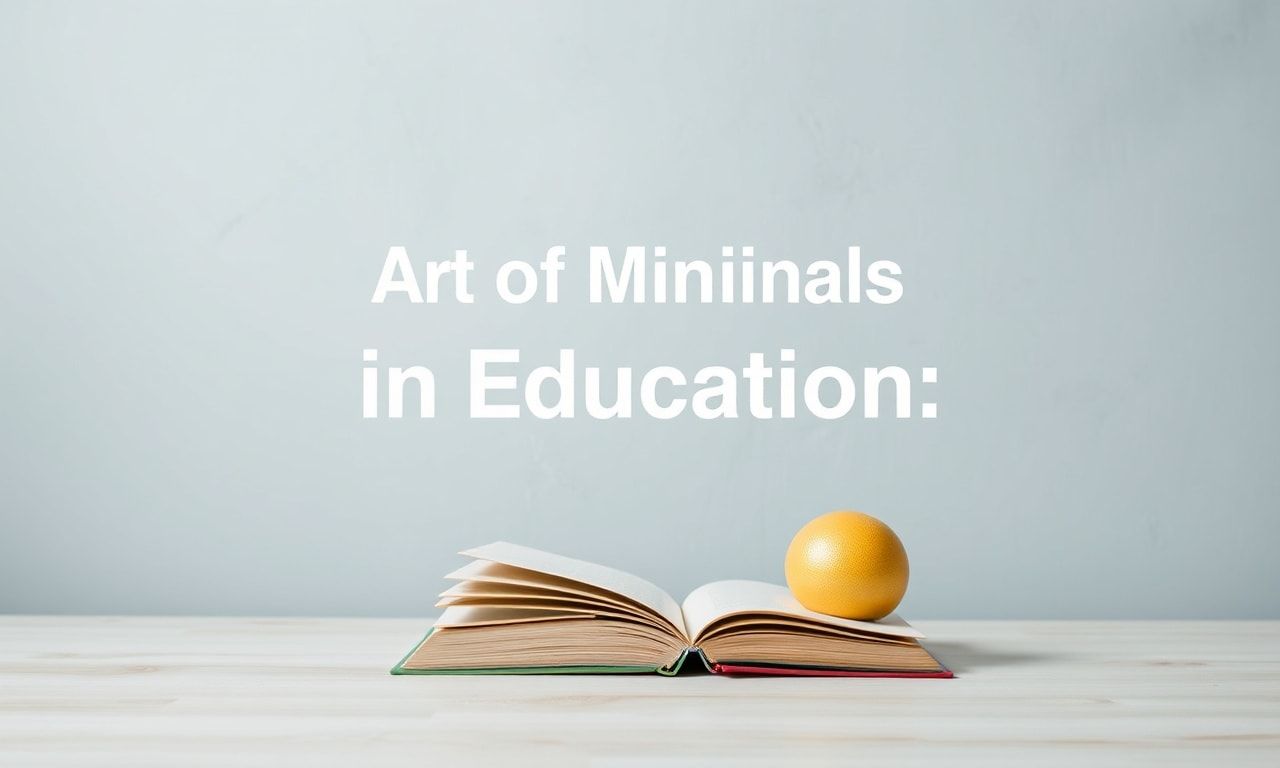
The Rise of Minimalism in Education
In recent years, the concept of minimalism has transcended the realms of design and lifestyle, making significant inroads into the education sector. The minimalism lifestyle, characterized by the intentional reduction of distractions and the focus on essentials, has been found to enhance learning outcomes and improve academic performance. This article explores the principles of minimalism in education, its benefits, and practical ways to implement it in both teaching and learning environments.
The Principles of Minimalism in Education
Minimalism in education is rooted in the idea that less is more. It emphasizes the importance of eliminating unnecessary distractions and focusing on the core elements that facilitate effective learning. Key principles include:
- Simplicity: Simplifying the learning environment and materials to make them more accessible and less overwhelming.
- Focus: Encouraging deep concentration on a single task or subject at a time.
- Intentionality: Making deliberate choices about what to include in the learning process and what to leave out.
- Clarity: Presenting information in a clear, concise manner that is easy to understand and retain.
The Benefits of Minimalism in Education
Adopting a minimalist approach in education offers numerous benefits for both students and educators. Some of the key advantages include:
- Improved Focus: By reducing distractions, students can concentrate better on their studies, leading to improved comprehension and retention.
- Enhanced Creativity: A clutter-free environment stimulates creative thinking and problem-solving skills.
- Reduced Stress: Minimalism helps create a calmer, more organized learning environment, which can reduce stress and anxiety levels.
- Increased Efficiency: Focusing on essential tasks and materials allows for more efficient use of time and resources.
Practical Tips for Implementing Minimalism in the Classroom
Incorporating minimalism into the classroom setting can be achieved through several practical steps. Here are some tips for educators:
- Declutter the Learning Space: Keep the classroom clean and organized, with only essential materials and furniture. Use storage solutions to keep items out of sight when not in use.
- Limit Digital Distractions: Encourage students to turn off notifications on their devices and use apps that block distracting websites during study sessions.
- Simplify Lesson Plans: Break down complex topics into smaller, manageable units. Use clear, concise language and visual aids to enhance understanding.
- Encourage Mindful Learning: Teach students to be present and engaged in their studies, focusing on one task at a time. Techniques such as mindfulness meditation can be beneficial.
Minimalism in Personal Learning
Students can also apply minimalist principles to their personal learning routines. Here are some strategies to consider:
- Create a Dedicated Study Space: Designate a quiet, clutter-free area for studying. Ensure it is well-lit and equipped with necessary supplies.
- Prioritize Tasks: Use a planner or digital tool to prioritize tasks and set realistic goals. Focus on completing one task before moving on to the next.
- Limit Multitasking: Avoid multitasking, as it can lead to decreased productivity and increased stress. Instead, focus on one subject or task at a time.
- Adopt a Minimalist Lifestyle: For those interested in exploring minimalism beyond the classroom, resources like minimalism lifestyle getting started can provide valuable insights and tips on simplifying various aspects of life.
The Role of Technology in Minimalist Education
Technology can be a powerful tool in promoting minimalism in education. Educational apps and software designed to simplify learning processes can help students and educators focus on what truly matters. For example, note-taking apps that allow for concise, organized notes can replace bulky textbooks and notebooks. Similarly, digital planners and calendars can help students manage their time more effectively, reducing the need for physical planners and reducing clutter.
Conclusion
The principles of minimalism offer a refreshing and effective approach to enhancing learning and teaching. By focusing on simplicity, clarity, and intentionality, educators and students can create a more productive and less stressful learning environment. Embracing minimalism in education not only improves academic performance but also fosters a mindset of mindfulness and efficiency that can extend beyond the classroom. As the educational landscape continues to evolve, the adoption of minimalist principles can play a crucial role in shaping a more focused and effective learning experience for all.
To enhance your financial literacy and secure your future, consider exploring smart investment strategies that can help you make informed decisions.
To understand how technology shapes our learning and working environments, consider exploring technology’s role in productivity from a local perspective.
To enhance your athletic prowess, consider exploring how daily routines can influence your performance by reading daily habits and sports success.