The Digital Transformation of Education
The landscape of education is undergoing a profound transformation, driven by technological advancements and the increasing need for flexible learning solutions. Traditional classrooms are no longer the sole hubs of knowledge dissemination. Instead, digital platforms and online courses are becoming integral components of modern education. This shift has been accelerated by global events, such as the COVID-19 pandemic, which highlighted the importance of adaptable and accessible learning environments.
Digital learning encompasses a wide range of tools and methodologies, from virtual classrooms and online courses to interactive simulations and gamified learning experiences. These innovations not only make education more accessible but also cater to diverse learning styles and paces. As a result, students can now tailor their educational journeys to better suit their individual needs and goals.
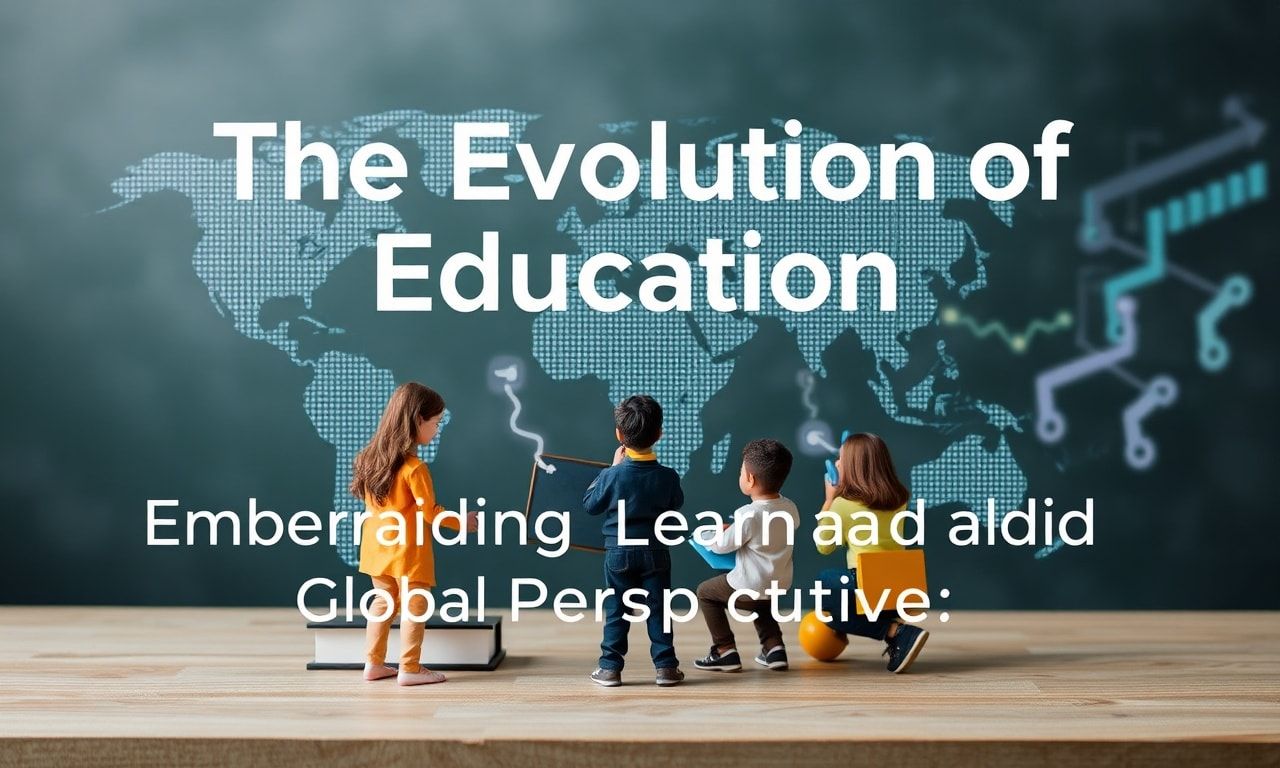
Moreover, the integration of technology in education has opened up new avenues for collaboration and knowledge sharing. Students and educators from different parts of the world can now connect and engage in meaningful discussions, fostering a global learning community. This interconnectedness is crucial for preparing students to thrive in an increasingly interconnected world.
The Role of Online Courses
Online courses have emerged as a cornerstone of modern education, offering flexibility and convenience to learners of all ages. Platforms like Coursera, edX, and Khan Academy provide access to high-quality educational content from top universities and institutions worldwide. These courses cover a vast array of subjects, from academic disciplines to professional skills and personal development.
One of the key benefits of online courses is their ability to accommodate diverse schedules. Working professionals, stay-at-home parents, and students can all benefit from the flexibility of online learning. This accessibility democratizes education, making it possible for individuals who might not have access to traditional educational institutions to acquire new skills and knowledge.
Additionally, online courses often incorporate interactive elements, such as quizzes, discussion forums, and virtual labs, which enhance the learning experience. These features not only make the material more engaging but also provide immediate feedback, helping students to better understand and retain the information.
Global Perspectives in Education
Incorporating global perspectives into educational curricula is essential for preparing students to navigate an interconnected world. By exposing students to diverse viewpoints and cultural contexts, educators can foster a more inclusive and empathetic learning environment. This approach not only broadens students’ horizons but also equips them with the skills needed to succeed in a globalized economy.
One way to integrate global perspectives into education is through the study of international languages and cultures. Learning a new language, for example, can provide insights into different ways of thinking and communicating. It also enhances cognitive skills, such as problem-solving and critical thinking. Furthermore, understanding the cultural nuances associated with different languages can help students develop a more nuanced understanding of global issues.
Another approach is to incorporate case studies and examples from different regions into the curriculum. This can be particularly effective in subjects like history, politics, and economics, where understanding the global context is crucial. By examining how different societies have addressed similar challenges, students can gain a deeper appreciation for the complexity of global issues and the importance of collaboration.
Strategies for Effective Digital Learning
To maximize the benefits of digital learning, it is essential to adopt effective strategies that enhance engagement and retention. One such strategy is the use of multimedia content, which can make the learning material more engaging and accessible. Videos, infographics, and interactive simulations can help to illustrate complex concepts and make them more relatable.
Another important strategy is the use of collaborative tools and platforms. Tools like Google Classroom, Microsoft Teams, and Zoom enable real-time collaboration and communication, making it easier for students to work together on projects and assignments. These tools also facilitate peer-to-peer learning, which can be a powerful way to reinforce knowledge and develop critical thinking skills.
Additionally, personalized learning plans can help students to focus on their individual strengths and areas for improvement. By tailoring the curriculum to the needs of each student, educators can ensure that everyone has the opportunity to reach their full potential. This approach not only enhances the learning experience but also fosters a sense of ownership and motivation among students.
The Future of Education
The future of education is likely to be shaped by continued advancements in technology and a growing emphasis on global collaboration. Emerging technologies like artificial intelligence (AI) and virtual reality (VR) have the potential to revolutionize the way we learn and teach. AI, for example, can be used to personalize learning experiences and provide immediate feedback, while VR can create immersive learning environments that simulate real-world scenarios.
Furthermore, the increasing focus on global education initiatives, such as the United Nations’ Sustainable Development Goals (SDGs), highlights the importance of preparing students to address global challenges. By incorporating these goals into the curriculum, educators can inspire students to think critically about issues like climate change, poverty, and inequality, and develop innovative solutions to these complex problems.
In conclusion, the evolution of education is driven by a combination of technological innovation and a growing recognition of the need for global perspectives. By embracing digital learning and incorporating diverse viewpoints into the curriculum, educators can create a more inclusive and effective learning environment. This approach not only prepares students for the challenges of the 21st century but also equips them with the skills and knowledge needed to thrive in an increasingly interconnected world. For those interested in exploring innovative educational strategies, resources like danimarka SEO stratejileri güncel can provide valuable insights and tools.
To gain insights into the educational and cultural landscape of Northern Europe, consider exploring Denmark’s unique learning environment, a standout destination for academic excellence.
To enhance your understanding of digital security in educational settings, consider exploring SSL certificates in education, a crucial aspect of online learning platforms.
To gain a deeper understanding of how digital marketing influences the fashion industry, consider exploring modern fashion marketing strategies in our latest article.