The Importance of Lifelong Learning
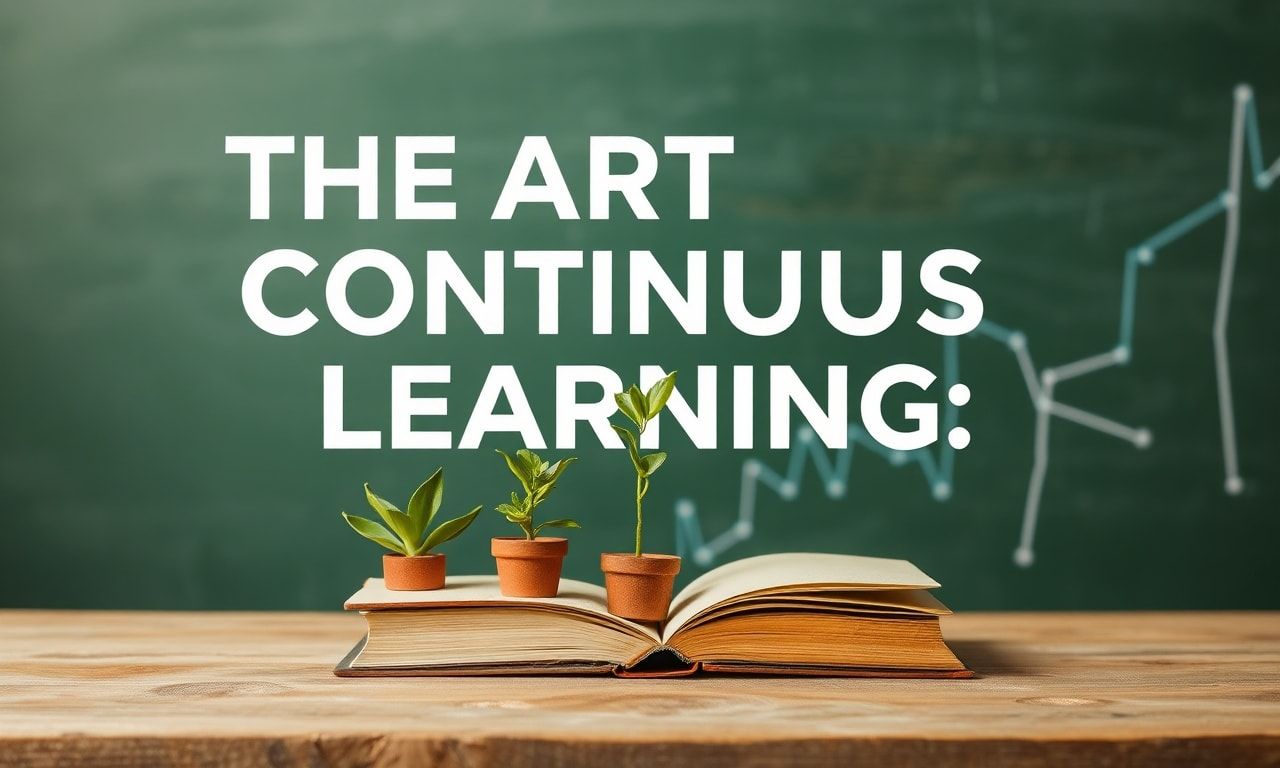
In today’s rapidly evolving world, the concept of lifelong learning has become more crucial than ever. The days of acquiring a degree and resting on one’s laurels are long gone. Continuous learning and skill development are now essential for personal growth, career advancement, and adapting to societal changes. Education is not confined to classrooms and textbooks; it extends to every experience and interaction we encounter.
Cultivating a Growth Mindset
A growth mindset is the belief that abilities and intelligence can be developed through dedication and hard work. This concept, popularized by psychologist Carol Dweck, emphasizes the power of ‘yet’—the idea that one has not mastered a skill or subject yet, but with effort and perseverance, they can. Cultivating a growth mindset involves embracing challenges, learning from criticism, and finding lessons in the success of others.
Embracing Challenges
Challenges are opportunities for growth. When faced with a difficult task or subject, instead of shying away, embrace it as a chance to learn and improve. Break down the challenge into smaller, manageable steps and tackle them one at a time. Remember, every expert was once a beginner, and every master was once a novice.
Learning from Criticism
Criticism, when constructive, is a valuable tool for growth. Instead of taking criticism personally, view it as feedback that can help you improve. Ask for specific examples and actionable steps to apply the feedback. Use criticism as a stepping stone to refine your skills and knowledge.
Finding Lessons in the Success of Others
The success of others is not a threat but an inspiration. Analyze what makes them successful and identify the skills and strategies they employ. Adapt these lessons to your own journey, and use them as motivation to strive for your own achievements.
Practical Strategies for Lifelong Learning
Lifelong learning is a journey that requires practical strategies to stay on track. Here are some effective methods to incorporate learning into your daily life:
Set Learning Goals
Set specific, measurable, achievable, relevant, and time-bound (SMART) goals for your learning journey. Whether it’s learning a new language, mastering a musical instrument, or improving your coding skills, having clear goals will keep you motivated and focused.
Create a Learning Routine
Consistency is key to lifelong learning. Dedicate a specific time each day or week to your learning activities. Treat this time as you would any other important appointment. Even 30 minutes a day can make a significant difference in your progress.
Utilize Online Resources
The internet is a treasure trove of educational resources. From online courses and webinars to educational blogs and videos, there are countless ways to learn new skills and expand your knowledge. Websites like Khan Academy offer free, high-quality educational content on a wide range of subjects. For those interested in practical skills, sites like neighborhood home improvement tips can provide valuable insights and tutorials.
Join Learning Communities
Engage with like-minded individuals who share your passion for learning. Join online forums, attend local workshops, or participate in study groups. Sharing knowledge and experiences with others can enhance your understanding and provide new perspectives.
Reflect and Adapt
Regularly reflect on your learning journey. Assess what methods are working and what areas need improvement. Be open to adapting your strategies as needed. Lifelong learning is a dynamic process, and flexibility is key to long-term success.
The Benefits of Lifelong Learning
Lifelong learning offers numerous benefits that extend beyond personal growth. Here are some of the key advantages:
Enhanced Cognitive Function
Engaging in continuous learning activities can improve cognitive function, including memory, problem-solving, and critical thinking skills. Learning new things keeps the brain active and can help prevent cognitive decline as we age.
Career Advancement
In today’s competitive job market, continuous skill development is essential for career advancement. Employers value employees who are proactive in expanding their knowledge and adapting to new technologies and methodologies. Lifelong learning can open doors to new opportunities and higher earning potential.
Personal Fulfillment
Learning new skills and acquiring knowledge can bring a sense of accomplishment and personal fulfillment. It can boost self-esteem, increase confidence, and provide a sense of purpose. Engaging in activities that challenge and inspire you can lead to a more fulfilling and meaningful life.
Improved Quality of Life
Lifelong learning can enhance the quality of life by providing new hobbies, interests, and social connections. It can also improve mental health by reducing stress, increasing resilience, and fostering a positive outlook on life.
Overcoming Barriers to Lifelong Learning
Despite the numerous benefits, there are common barriers that can hinder lifelong learning. Here are some strategies to overcome these challenges:
Time Management
One of the most common barriers to lifelong learning is lack of time. To overcome this, prioritize your learning activities and integrate them into your daily routine. Use time management techniques such as the Pomodoro Technique or time blocking to make the most of your available time.
Financial Constraints
Financial constraints can also be a barrier to lifelong learning. However, there are many free or low-cost resources available online. Look for scholarships, grants, or employer-sponsored training programs that can help offset the cost of education.
Lack of Motivation
Motivation is key to lifelong learning. To stay motivated, set clear goals, track your progress, and celebrate your achievements. Surround yourself with supportive individuals who encourage and inspire you to continue learning.
Fear of Failure
Fear of failure can prevent many people from pursuing their learning goals. Remember that failure is a natural part of the learning process. Embrace mistakes as opportunities to learn and grow. Develop a growth mindset and focus on the journey rather than the outcome.
In conclusion, lifelong learning is a powerful tool for personal growth, career advancement, and overall well-being. By cultivating a growth mindset, utilizing practical strategies, and overcoming common barriers, you can embark on a journey of continuous learning and discovery. Embrace the power of ‘yet’ and unlock your full potential.
Discover the benefits of integrating technology in education by exploring how tech enhances learning, a comprehensive guide on improving academic skills and course engagement.
To better understand the dynamic relationship between personal expression and daily living, we suggest exploring fashion’s role in lifestyle, a topic that blends creativity with practical skills.
To enhance early learning experiences, consider exploring educational entertainment benefits that can significantly impact childhood development.