
Practical guide to esquelas online en España for learners
Learn how to handle esquelas online en España and related resources. Clear steps for students and educators, with practical tips and cautions.

This guide helps education readers understand how to use esquelas online en España as a learning and research tool. It explains what esquelas are, why they appear in educational contexts, and how to verify information responsibly. You’ll gain concrete steps to access, compare, and cite digital notices in classroom work or research projects.
First, understand the basics: esquelas are public notices often about civil events. Second, identify reliable sources and official sites to avoid misinformation. Third, practice extracting key details such as dates, names, and locations for study notes or assignments.
For educators, the guide highlights how to teach students to navigate official notices, interpret language accurately, and document sources properly. It also offers a framework for creating classroom activities that involve real-world notices without exposing learners to unsafe or biased content. Using the steps below, you can turn a routine notice into an educational exercise.
- This guide shows how education readers can approach esquelas online en España as a real-world study tool. It emphasizes reliable sources, careful reading, and proper citation.
- Educators learn to verify information, teach language features, and design classroom activities using public notices without exposing learners to misinformation.
- The plan includes practical steps, example tasks, and box notes to support classroom activities and research projects.
- Students gain skills in reading, translating, and analyzing authentic notices for academic purposes.
Basics of finding notices
What counts as an esquela
Esquelas are public notices about significant events such as obituaries or civil announcements. They appear in newspapers and online portals and can be used in language learning or social studies assignments. Understanding their format helps learners extract essential information quickly. esquela online en España provides a public notice accessible for study and verification.
When you locate an esquela, note the publication date, the speaker or family name, and the event type. These details support vocabulary building and comprehension in context. Always check the source to assess reliability before using the text in education.
In practical classroom use, students compare two notices to track how language signals formality, structure, and tone. They practice paraphrasing key lines while maintaining factual accuracy. This builds critical reading skills and helps with citation habits.
- Identify the source site and its authority
- Extract date, name, and event type
- Record exact wording for quotes
- Note any follow-up links for context
- Compare similar notices for language patterns
Using official sites and school resources

Reliable sources for notices
Start with official registries and recognized newspapers that publish esquelas with clear authorship. These sources typically provide publication dates and full names, aiding accuracy in citations. Students should prefer sites that include contact information or an about page to gauge legitimacy. leyderecho.es offers official information about derecho matters that can complement notices in class.
Next, compare information across two or three sources to catch inconsistencies. Educational use benefits from triangulating data, especially when notices influence timelines or historical context. Avoid relying on user-generated posts with limited provenance.
In class, workers or researchers can build a mini bibliography showing where each detail came from and how it was verified. This practice strengthens research literacy and reduces plagiarism risk.
Connecting to coursework
Integrate notices into language or social studies tasks by asking learners to summarize events in their own words. They can outline who, what, where, and when, then map these details to a timeline. Such exercises improve both reading comprehension and factual reporting.
For multilingual classrooms, provide glossaries of common terms found in esquelas, such as fechas, nombre, and ubicación. Students can practice translating and retaining accurate meaning without distorting facts.
Educators can design prompts that require students to compare a notice with a relevant text in their syllabus, fostering cross-curricular analysis and critical thinking.
- Summarize in plain language
- Create a timeline from the notice
- Build a glossary of terms
Digital access and safety
Navigating paywalls and access
Some notices appear behind paywalls or on restricted portals. In classroom work, show students how to locate free versions or official reproductions. Emphasize respecting terms of use and avoiding unauthorized copies. enviar un evento en España is a phrase students may encounter when building timelines or calendars from notices.
When access is blocked, students can document the URL, date accessed, and any visible metadata to discuss provenance in assignments. This practice reinforces responsible digital scholarship.
Educators should model ethical access by citing sources accurately and choosing openly available notices when possible.
- Use official or public-domain copies
- Record access date and URL
- Cite the source properly
- Respect usage rights
| Source type | Reliability | Usage in class |
|---|---|---|
| Official registry | High | Good for factual exercises |
| Newspaper site | Medium | Useful for tone and style |
| Public archive | High | Great for open-access material |
Look for passive constructions or standard phrasing that signals ceremonial or factual reporting.
Interpreting language and tone

Language features to spot
Notice language often uses formal tone and concise phrasing. Teach students to distinguish dates, names, and locations from descriptive passages. This makes extraction easier and reduces misinterpretation. directorio de empresas en España can serve as a contextual reference when notices mention organizations or services in the community.
Look for passive constructions or standard phrasing that signals ceremonial or factual reporting. Understanding these cues helps in academic writing and translation tasks.
In practice, students annotate a notice with margins indicating who is the subject, what happened, where it occurred, and when it occurred, then rewrite the key sentence in their own words.
- Identify subject, action, place, date
- Note formal cues
- Practice paraphrase
- Monitor tone and bias
Ethical use and citation
Responsible sourcing for learners
When you use esquelas online en España for coursework, credit the source and respect privacy rules. Describe the notice in your own words, and avoid sharing sensitive details. This builds trust with your instructors and protects those mentioned in the notices. clasificados de España are commonly used to find public notices that affect students and communities in Spain. This resource can help you understand local procedures and deadlines when aligned with your coursework and research topics.
The practical routine is to note where you found the information and how you interpreted it, so your work can be verified. If the notice includes contact details or personal data, redact it in your assignment and explain why in a brief note to your teacher.
Always cross-check with official sites when possible to confirm the notice date and origin. This reduces confusion about authenticity and helps you develop strong research habits.
- Always cite sources
- Explain your interpretation
- Redact sensitive data
- Cross-check with official sites
Assessment-ready tasks

Translating for academic use
Translating a notice for classroom use requires preserving meaning while staying concise. Start with a plain English summary, then annotate any legal or procedural terms. This helps peers understand the notice without misrepresenting its purpose.
Provide a short interpretation guide that explains unfamiliar terms and shows how the notice would be referenced in an assignment. Use examples that mirror typical classroom tasks such as summary writing or comparative analysis.
Ensure your translation aligns with the assignment rubric and instructor expectations. If in doubt, ask for a brief clarification before submission.
- Summarize, then annotate
- Include a glossary
- Align with rubric
- Ask for clarification if unsure
Technology and tools
Digital tools for finding notices
Online search can be efficient if you filter by date and jurisdiction. Use official portals first, then secondary educational sites to broaden coverage. This approach saves time and reduces the risk of outdated information.
Organize findings in a simple notebook or reference manager so you can retrieve citations quickly. Create short annotations for each notice, noting its relevance to your course theme and assignment prompt.
Be mindful of accessibility and language options; switch to larger text or translated summaries if needed to understand critical details.
- Filter by date and source
- Use a reference manager
- Annotate each notice
- Check language accessibility
Future trends in educational notices
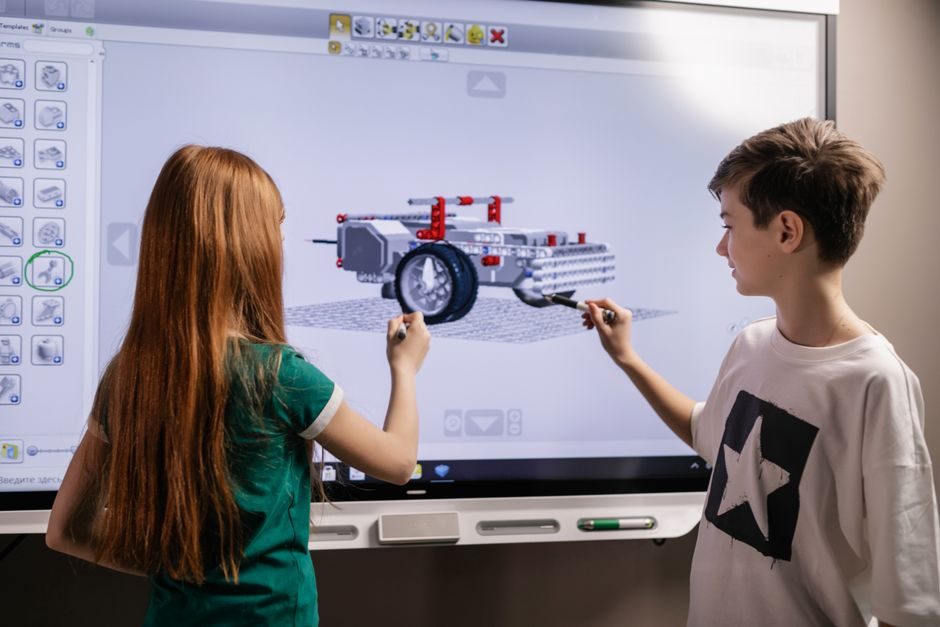
How notices might evolve
Educational notices are likely to become more interactive, with accompanying glossaries and quick questions for comprehension. Expect tooling that supports annotations, meaning-marking, and simple citations within the notice view. This helps teaching and learning stay aligned.
Institutions may standardize notice formats for consistency, making it easier for students to compare notices across courses. Digital archives could offer advanced search features that understand academic contexts rather than just keywords.
As a learner, you can adapt by practicing with different formats now, so you are prepared when more structured notices become the norm.
- Interactive glossaries
- Annotations and citations
- Standardized formats
- Early practice with varied formats
Frequently asked questions
What counts as an official source for esquelas online en España, and how can I tell a notice is accurate for study purposes?Official portals or recognized educational resources are reliable. Look for government domains or institutional domains, page stamps with dates, and clear authorship. Cross-check by visiting the same notice on another official source to confirm consistency and avoid duplicates or outdated information.
How should I handle personal data in notices when sharing notes with classmates?Redact any names, contact details, or identifiers. Provide a neutral summary of actions or requirements instead, and note that you have omitted sensitive data to protect privacy in line with school guidelines.
What software helps organize notices without bias or confusion?A simple reference manager or note app works well. Keep the original link, add a short paraphrase, and tag by course. Regularly prune notes to avoid clutter and ensure quick retrieval.
Are there common pitfalls to avoid when researching notices for assignments?Avoid relying on a single source, misinterpreting legal terms, and skipping verification of dates. Always compare multiple official sources and keep a brief note on why you trust a particular source.
Conclusion
This guide builds a practical workflow for handling esquelas online en España within academic tasks. Start by validating sources, then translate or summarize with clarity for your audience. The result is more reliable work and smoother collaboration with instructors.
Keep a personal reference library and a brief checklist you can reuse across courses. Practice with a few notices each week to turn unfamiliar material into actionable knowledge. A steady routine reduces last-minute stress and strengthens academic writing over time.

Add Education News as a preferred source on Google


