
Practical Guide: Deutschland Nachrichten for Learners and Teachers
A clear, educational guide showing how to use Deutschland Nachrichten effectively in coursework, with steps, tips, and common pitfalls for students.

When students study German or modern Europe, they encounter real news like Deutschland Nachrichten. This guide explains why it matters for learning and shows concrete ways to use current events in class or self-study. You’ll find practical steps, sample activities, and cautions to avoid distractions while building language skills and critical thinking.
The approach centers on reading for meaning, context, and nuance. You’ll learn to identify reliable sources, extract key facts, and discuss perspectives. The goal is to turn news into a structured practice that reinforces vocabulary, grammar, and analytical thinking.
By the end, you’ll have ready-to-use activities and checklists that translate news into educational value, whether you’re preparing for exams, teaching a class, or studying independently.
- Deutschland Nachrichten can be used as a structured tool for language and critical thinking.
- Start with reliable outlets, then practice skimming, then deep reading to build vocabulary and comprehension.
- Use short, practical activities in class to translate news into learning objectives.
- Plan for pitfalls by verifying sources and maintaining a clear study routine.
Basics of German news
Identify reliable outlets
Start with clearly written sources that explain terms and provide context. Look for authors who cite evidence and avoid sensational headlines. This builds a stable foundation for more advanced reading.
- Jumping to conclusions from a single article; re-check with a second source
- Relying on headlines rather than full text; read the entire piece
- Overusing translated phrases without learning original terms
Keep a notebook of unfamiliar words and phrases. Group them by topic: politics, economy, culture. Revisit entries after reading a short article to test understanding.
As you grow confident, compare two outlets on the same topic to notice framing differences and bias. This helps students become independent readers.
- Choose sources with transparent authorship
- Check dates and update frequency
- Note key terms and definitions
- Avoid clickbait headlines
- Cross-check facts with a second source
Practice with short summaries
Summarizing boosts comprehension and retention. Start with a three-sentence recap that covers the who, what, and why. Add one sentence about why this matters for German learners.
Then add one sentence that explains any cultural or political nuance. Finally, note one new word and its meaning in your own words.
Use this habit before class discussions to structure contributions. It trains concise expression and helps peers understand quickly.
How to read for language and meaning
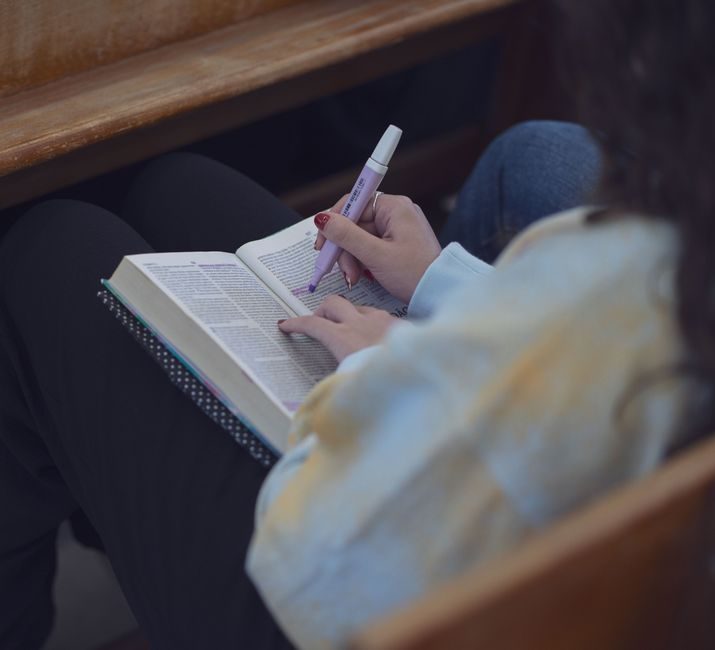
Skimming and deep reading
Begin with a quick skim to catch headings and dates, then read closely for details. Focus on verb forms, sentence structure, and connectors. This two-pass method steadily builds fluency. A useful resource on this topic: Veranstaltungen in Deutschland diese Woche.
Annotate as you go: underline key nouns, circle unfamiliar terms, and note tone indicators like verbs in the subjunctive.
Practice with one paragraph at a time, then connect ideas across the piece. You’ll see how tense and mood affect meaning.
Grammar in context
News articles provide natural examples of verb tenses, modal verbs, and cohesion devices. Track how authors express possibility, obligation, and opinion. This makes grammar more tangible than isolated drills.
Create a mini-glossary of grammar patterns you notice, with example sentences from articles. Practice turning those sentences into your own statements.
Regular practice with authentic materials builds confidence in using grammar to convey nuance.
- Capture tense and mood in context
- Build a contextual glossary
- Turn patterns into personal sentences
Options for using Deutschland Nachrichten
In-class activities
Use short articles for reading circles, where students summarize aloud and compare viewpoints. Assign roles such as reporter, editor, and fact-checker to structure discussion. This mirrors real newsroom workflows. A useful resource on this topic: Firma eintragen in Deutschland.
Pair work can focus on identifying bias, tone, and audience. Rotate roles to ensure diverse practice.
Extend tasks to post-class questions that connect to your curriculum goals.
- Reading circles with defined roles
- Bias and tone analysis
- Evidence-based discussion prompts
| Method | Strengths | Best use |
|---|---|---|
| In-class debates | Promotes spoken fluency | When you want quick engagement |
| Individual summaries | Reinforces comprehension | For homework and exam prep |
| News comparison | Builds critical thinking | Useful for research projects |
Individual study options
Students can read one article daily, then create a short reflection in German. This builds reading stamina and writing accuracy without overwhelming the learner.
Use a vocabulary log tied to the article, including collocations and common phrases. Review entries weekly to strengthen retention.
Set a personal goal, such as understanding the main argument in five minutes without translation.
- Daily reading habit
- Vocabulary and phrase logs
- Personal learning goals
Deep dive techniques

Active reading strategies
Begin with a quick skim to identify headlines and dates, then read for gist before focusing on unfamiliar terms. Use margins to note questions and summaries as you go, so you build a mental map of the article. Try translating key sentences aloud to improve pronunciation and comprehension, then confirm meanings with a dictionary or glossary. When students feel ready to publish, they can draft a simple Kleinanzeige aufgeben in Deutschland to demonstrate language use and structure.
- Skim for structure before details
- Annotate with questions and summaries
- Translate aloud to check pronunciation
- Verify unfamiliar terms after first pass
- Summarize the main idea in one sentence
Assessment ideas
Formative checks for progress
Use short, targeted quizzes after each weekly reading to assess retention of vocabulary and ideas. Include a mix of true/false, multiple choice, and open-ended prompts that require quoting a sentence and explaining its meaning. Regular feedback helps students adjust reading strategies. Traueranzeigen in Deutschland helps learners see how communities mark loss in formal German.
- Short quizzes after each unit
- Require quotation with explanation
- Provide guided questions for reflection
- Track progress over a term
- Assign a brief journal entry per article
Assign groups to follow a single article through a guided worksheet, then present a short summary and three discussion questions to the class.
Collaboration and projects

Group reading projects
Assign groups to follow a single article through a guided worksheet, then present a short summary and three discussion questions to the class. Encourage each member to take turns explaining vocabulary, summarizing the argument, and translating a key quote. This builds speaking, listening, and critical reading skills.
- Choose a current Deutschland Nachrichten article
- Divide roles (reader, vocabulary lead, questioner, presenter)
- Read together, annotate, and discuss
- Present to peers and collect feedback
- Involve all members in presentation
- Use a shared glossary of terms
- Prepare discussion prompts in advance
- Rotate roles to build different skills
- Record and review for feedback
Pitfalls and safeguards
Common mistakes to avoid
Rushing through headlines without checking the body text leads to misinterpretation. Students often rely on single-sentence summaries instead of seeking context, which skews meaning. Always read the full paragraph to confirm how facts support the topic.
- Avoid relying on headlines alone
- Check dates and attribution
- Distinguish opinion from fact
- Beware cultural references that require background knowledge
- Keep a glossary of tough terms
Frequently asked questions
How can I use Deutschland Nachrichten safely in class?Choose age-appropriate articles, provide vocabulary supports, and guide students through unambiguous reading strategies. Plan pre-reading questions, then discuss meanings and cultural context after the text. Make room for questions and reflection.
What if a student struggles with unfamiliar vocabulary?Focus on context clues and paraphrasing. Build a short glossary with glossed definitions and example sentences. Pair struggling readers with a peer tutor during activities.
How often should we incorporate news into lessons?Use it weekly to build fluency and topic familiarity. Alternate between short reads and longer articles, ensuring there is a clear objective for each session.
Are there risks of bias I should address?Yes. Point out author perspective, word choice, and selective reporting. Compare multiple sources on the same topic to help students recognize bias and develop a critical stance.
Next steps for educators and learners
Engage regularly with Deutschland Nachrichten as a steady language-building tool, pairing reading with speaking and writing tasks that connect to your curriculum. Start with guided exercises, then gradually increase independence as comprehension grows. The goal is to make authentic news a predictable part of learning that enhances both language and subject mastery.
Develop a simple, repeatable routine: pre-read questions, in-text notes, post-read reflection, and a short writing or speaking task. This structure gives students clear expectations and steady progress. As confidence grows, expand to longer pieces and debate-based activities that mirror real classrooms.

Add Education News as a preferred source on Google


