
How to publish an event in Spain: a clear guide for educators
A practical explainer for education professionals on how to publish an event in Spain, outlining steps, options, and common pitfalls for educational audiences.

If you’re coordinating a school, university, or community program, publishing an event in Spain is a multi-step process that affects attendance, safety, and compliance. This piece unpacks the what, why, and how, with concrete steps teachers and administrators can apply right away. You’ll learn where to post, what information to include, and how to avoid common delays.
The guide focuses on practical actions rather than theory. It links to widely used channels and formats so educators can plan with confidence. By the end, you’ll have a clear checklist and know which choices matter most for your audience.
Expect real-world pragmatism: the aim is to increase attendance, ensure accessibility, and align with local rules, without unnecessary complexity.
- Publishers should define the event clearly, choose accessible channels, and draft essential details with inclusivity in mind.
- Opt for formats that fit the learning goals and keep registration simple to maximize attendance.
- Avoid common pitfalls by validating information early, coordinating with calendars, and preparing backup plans.
- The plan should cover accessibility, timing, and practical logistics to ensure a smooth educational event in Spain.
Foundations: what you’re publishing and why
Define the event and audience
Begin by naming the event and defining its purpose. Identify the target audience, such as students, parents, or teachers, and match the format to their needs. This clarity guides all later decisions about location, timing, and promotion. publicar un evento en España is a common phrase that educators encounter when coordinating school activities, community education nights, or student conferences.
- ☐ State event title and purpose in one line
- ☐ List target audience and format
- ☐ Choose a date and basic venue at once
- ☐ Draft a short description for listings
Outline the main outcomes you want attendees to take away, whether a skill, knowledge area, or networking opportunity. Clear goals help you measure success after the event. If your aim is educational impact, quantify learning objectives when possible.
Prepare a brief overview that can be used in listings and agendas. A concise description saves time for readers and improves registration accuracy. Include date, location, and any prerequisites or accessibility notes.
- Define purpose early
- Identify audience
- Align format with goals
Why it matters for schools
Events linked to education can boost engagement, professional development, and community ties. When planning, consider how the event complements curriculum and district goals. A well-formed event improves attendance and enhances learning outcomes.
Educational events require clear compliance with local rules, including accessibility and safety measures. Plan for contingencies such as room capacity limits or digital access for remote learners. This foresight reduces last-minute stress and confusion.
Record-keeping matters: collect registrations, date-stamp communications, and maintain accessible records. Organizers who document decisions make it easier to report impact and replicate success in future terms.
Where to publish: channels and formats
Choosing listing platforms
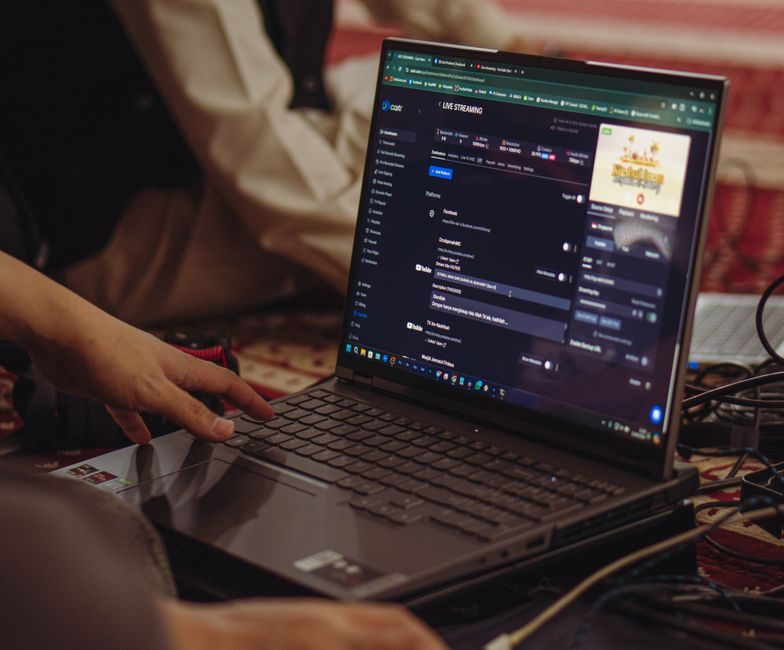
Different channels serve different audiences. Public schools often use official calendars, while local groups rely on community boards and social media. Pick 2–3 venues that reach students, families, and educators without overloading readers. Deportes Noticias online is often used by schools to promote sports-related events and keep families informed about teams and schedules.
- Publish on at least two channels
- Check accessibility features
- Use a single event description across platforms
- Keep contact details up to date
Consider the accessibility of each channel: simple forms, clear language, and mobile-friendly layouts help a broader audience. Use consistent branding and avoid conflicting information across channels.
Prepare templates for descriptions, agendas, and registration forms so you can publish quickly when details change. Reusable text speeds up future events and reduces mistakes.
- Select 2–3 platforms
- Ensure accessibility
- Use templates for consistency
Drafting essential details
Your event listing should include the what, when, where, and how to participate. Provide a clear registration link or contact method and a brief agenda. Include accessibility notes and language options if available.
Offer practical information for schools: bus routes, parking, and code of conduct can affect attendance. Anticipate questions by including a FAQ section or a link to more resources.
Review all dates and times across time zones if a partner institution is involved. Small errors here can deter potential attendees or confuse coordinators.
- Clear purpose and audience
- Concise agenda and access details
- Logistics and accessibility notes
Options: formats and accessibility
Formats that fit learning goals
Choose formats that match learning objectives, such as lectures, workshops, panels, or hybrid formats. Each format has different engagement dynamics and needs for space and technology. dar de alta tu negocio en España requires careful planning if a school or education organization plans to offer paid programs or partner services.
Consider a short, interactive session if your audience is diverse or time-constrained. Breaks and Q&A help consolidate learning and maintain attention.
Plan for inclusivity: captions, sign language interpretation, or materials in multiple languages when relevant to your community.
- Lectures, workshops, panels
- Hybrid formats for flexibility
- Accessibility up front
| Format | Benefits | Considerations |
|---|---|---|
| Lecture | Efficient for delivering core content | Limited interaction; needs strong visuals |
| Workshop | High engagement and skill practice | Requires space and materials |
| Panel | Diverse perspectives | Coordination of speakers may be complex |
Pricing and registration mechanics
If there is a fee or required permissions, state it clearly and early. Provide refund rules, student discounts, and any required credentials for entry.
Use simple registration flows and confirm with automated emails. Track registrations by category (student, teacher, general public) to tailor follow-up information.
Keep the process lean: avoid steps that create friction, such as multiple sign-ins or long forms.
- Clear pricing and rules
- Simple registration flow
- Targeted follow-ups
Provide contingency plans for weather, technical issues, or speaker cancellations to keep the event on track.
Pitfalls: common mistakes and how to avoid them

Overlooking accessibility and timing
Failing to consider accessibility can limit attendance and violate guidelines. Check venue access, transport options, and digital accessibility for virtual components. anuncios locales en España can help educational groups reach families in the neighbourhood with timely, relevant announcements.
- Accessible venue and materials
- Offer virtual option
- Clear backup plans
Poor timing clashes with other community events or school schedules. Check calendars and avoid peak hours that reduce attendance.
Provide contingency plans for weather, technical issues, or speaker cancellations to keep the event on track.
- Audit accessibility features
- Coordinate with calendars
- Have backups and alternate plans
Confusing or incomplete information
Incomplete details frustrate readers and reduce registrations. Double-check dates, times, and locations across all platforms.
Avoid jargon; provide plain-language descriptions and a short glossary if needed. Include contact options for questions.
Failing to update changes promptly leads to outdated listings and no-shows.
- Confirm all details
- Use plain language
- Update across channels
Beyond basics: legal and safety considerations
Legal requirements for events
When educators publish events in Spain, they must respect local laws governing public gatherings, permissions, and accessibility. Verify whether the venue requires prior notice or permits, especially for large audiences. Always document the organizer’s contact information and the event’s purpose to reduce misunderstandings. necrológicas en España is a phrase you might encounter when researching how events intersect with local cultural contexts in Spain, and you’ll want to understand how it influences planning in some regions.
Begin with a clear risk assessment that covers crowd control, emergency exits, and first-aid provisions. For school or university events, coordinate with the institution’s administration to align policies. This reduces last-minute delays and aligns with safeguarding guidelines.
Check data protection rules when collecting attendee information, and ensure consent forms comply with applicable regulations. If you use student data for outreach, limit collection to necessary fields and explain how data will be used. This builds trust with participants and guardians.
- Verify permit requirements early
- Coordinate with the institution
- Protect attendee data
- Prepare a risk assessment
Safety and accessibility
Make accessibility a core design principle from the start, including room layout, seating, and signage. Consider transport options and quiet spaces for sensitive attendees. Clear signage helps participants navigate unfamiliar venues confidently.
Develop a basic safety plan that covers evacuation routes, shelter areas, and who to contact for incidents. Assign a responsible staff member to handle questions during the event. Practically test the plan with a dry run if possible.
Communicate accessibility options in the event description and registration confirmations. Provide accessible formats for materials, such as large-print handouts or screen-reader friendly PDFs, to ensure inclusive participation.
- Include accessible seating and routes
- Create a simple safety plan
- Offer accessible materials
Engaging audiences: learning outcomes and assessment

Defining learning outcomes
Start with clear, measurable outcomes tied to the educators’ curriculum goals. Use verbs like explain, compare, or analyze to guide activities and assessments. Provide examples so attendees know what success looks like.
Design activities that map directly to outcomes, such as a short debate for critical thinking or a summary sketch for comprehension. Include a quick pre- and post-event check to gauge progress. This helps justify the event’s value to students and stakeholders.
Include rubrics or simple checklists for informal assessment, so educators can capture evidence of learning during the session. Share these with attendees at the start and again at the end to promote transparency.
- Set clear targets
- Link activities to outcomes
- Use simple assessments
Assessment examples during events
Use quick exit tickets or one-minute writes to capture takeaways and remaining questions. Pair work or small-group discussions encourage peer learning and accountability. Summarize key ideas on a visible board to reinforce memory.
Design assessments that respect time limits and avoid overburdening participants. Choose prompts that reflect real classroom tasks and invite reflection on how to apply ideas later. This keeps learning practical and relevant.
Provide constructive feedback opportunities, inviting attendees to share what helped them learn and what could improve future sessions. This feedback loop strengthens future offerings.
- Exit tickets and prompts
- Peer discussions
- Visible summaries
Global parallels: comparing with other countries
Different regulatory environments
Public event rules vary by country, affecting how educators publish and promote sessions. Some regions require formal endorsements, others rely on open community channels. Understanding these differences helps avoid compliance mistakes and delays.
Compare how schools abroad handle permits, risk assessments, and accessibility standards. Adapting best practices can strengthen your local approach without compromising standards.
Always consult local guidance before launching an event, especially if it involves collaboration with partner institutions or non-profits. This reduces the risk of misinterpretation and fosters smoother coordination.
- Regulatory variance
- Permits and endorsements
- Accessibility expectations
Communication styles and outreach
Different countries favor different tones in event announcements, from formal to informal. Align the message with the audience’s expectations to improve attendance and engagement. Use concise language and clear timelines to avoid confusion.
Study how partners abroad structure invitations, schedules, and follow-up materials. Borrow effective templates while preserving your institution’s voice and guidelines. This balance helps maintain credibility and relevance.
Plan multilingual or inclusive communications when partnering internationally, ensuring translations capture intent and avoid misinterpretation. Simple, precise wording reduces errors in the enrollment process.
- Match tone to audience
- Adapt templates
- Include multilingual options
Future trends: online and offline event design
Hybrid formats and engagement
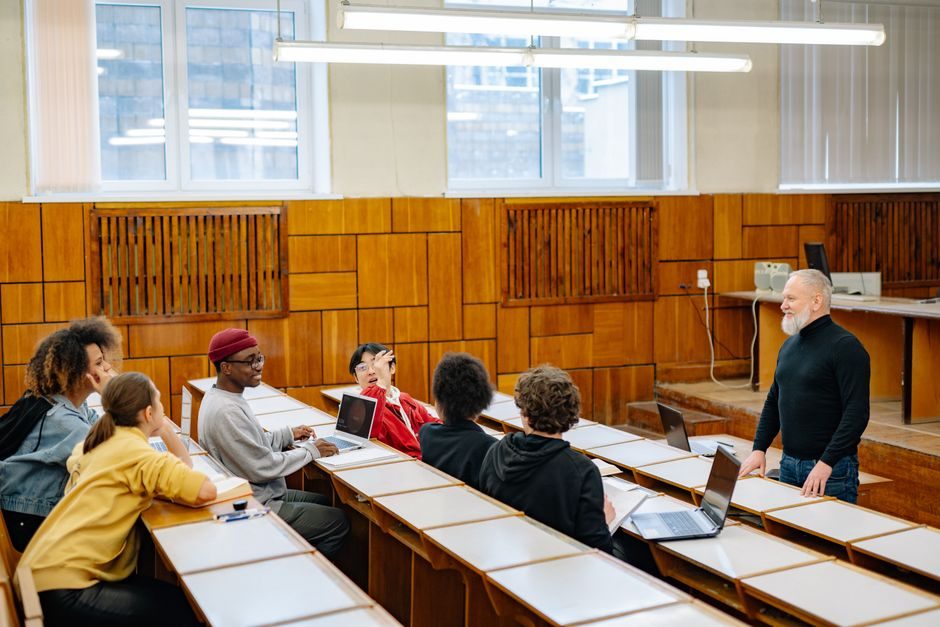
Hybrid events combine in-person and virtual participation, broadening access for students and educators. Use synchronous Q&A, live polls, and breakout rooms to keep energy high across formats. Plan technical checks to minimize interruptions.
Design the schedule with clear transitions between modes, and provide access to recordings for those who cannot attend live. This reinforces inclusive learning and long-term reference material.
Test platform features ahead of time, and prepare backup plans for connectivity issues. Technical reliability sustains trust and participation across audiences.
- Use polls and Q&A
- Provide recordings
- Test tech beforehand
A well-structured offline event remains valuable for hands-on activities, demonstrations, and local community building. Keep facilities comfortable, with clear signage and accessible seating. Integrate digital elements gradually to support both formats and avoid overwhelming attendees.
As online formats evolve, consider microlearning modules or short video capsules to complement live sessions. Link these to learning outcomes and assessments so educators can track progress effectively.
Maintain a feedback loop post-event to identify what worked online and offline, and to plan improvements for future offerings.
Frequently asked questions
Can a local club publish an event on Spain’s education platforms?Local clubs may publish events if they align with educational goals and comply with venue rules. Check with the hosting institution for required approvals and ensure the event serves learners’ needs. Clear coordination helps prevent conflicts with existing programs.
What accessibility options are typically expected for school events?Most schools expect accessible routes and seating, clear signage, and materials available in alternative formats. Providing captions or sign language interpretation is increasingly common, as is offering a quiet space for sensitive attendees.
How should outcomes be communicated to participants?State learning outcomes in the invitation, use simple rubrics during activities, and summarize results at the end. Sharing a brief post-event recap helps attendees see their progress and plan next steps.
What should you do if a speaker cancels last minute?Have a backup plan for a substitute speaker or switch to a virtual format. Notify attendees quickly with clear instructions and update the agenda to reflect any changes.
Closing reflections and next steps
A well-structured event supports curriculum goals and strengthens learners’ confidence, while clear communication reduces confusion for parents and students. Plan with outcomes in mind and prepare for practical needs like accessibility and timing.
Next, apply the lessons to your program by documenting what works, sharing results with colleagues, and building a repeated process for future educational events. A consistent approach makes it easier to scale successful ideas.

Add Education News as a preferred source on Google


