
How to choose and use events in Paris for study and learning
A clear guide for educators and students: how Paris events can enrich learning, compare options, and avoid common pitfalls.

If you’re planning to incorporate Paris events into a course or personal study plan, this guide shows you how to pick events that fit learning goals, how to access reliable information, and how to participate effectively. You’ll find practical steps for researching schedules, matching events to topics, and avoiding common scheduling traps.
This article compares types of events, from academic talks to cultural workshops, and explains what each offers for skill-building, critical thinking, and collaboration. It also highlights how to verify event details and plan travel or remote participation with minimal friction.
By the end, you’ll have a concrete checklist for evaluating events, a set of questions to ask organizers, and strategies to align attendance with coursework or personal learning goals. The aim is to help education readers use Paris events as purposeful learning experiences.
- Choose Paris events that directly support your learning goals and course outcomes.
- Evaluate accessibility, language, and format to ensure productive participation.
- Map each event to a curriculum topic and save practical materials for assignments.
- Plan follow-up work that turns attendance into lasting knowledge and skills.
Foundations for using Paris events in study
Identify learning goals
Start by listing what you want to learn from an event, such as a theory, method, or real-world example. Align the event topic with your course objectives or personal study plan. This makes attendance intentional rather than incidental. ajouter un événement à Paris
Consider the level of detail you need from the event, and whether you want a lecture, a workshop, or a panel discussion. Different formats suit different goals and time constraints. A clear goal helps you focus your note-taking and follow-up tasks.
Myth vs fact: common misconceptions about event value; fact-based guidance on setting learning goals; ensure the box content gives practical tips for goal setting.
- Assess how the event ties to your current coursework
- Choose formats that maximize hands-on practice
- Plan questions in advance
- Check if there are accompanying materials or recordings
- Prepare a brief summary after the event
Evaluate accessibility and schedule
Review the event’s date, time, and location to ensure it fits your timetable and travel plans. Look for online options if on-site access is difficult. Accessibility details matter for participation and learning outcomes.
Compare events by duration and intensity to avoid overloading a week of study. Short sessions can complement longer courses if you’re balancing exams or deadlines. A balanced calendar improves retention and reduces fatigue.
Consider language and delivery style; translations or captions can expand your options and support note-taking. This is especially important in multilingual learning environments.
Common mistakes: misreading accessibility features; better approach: verify remote access, language support, and transit options.
How Paris events fit the classroom and beyond
Link events to curriculum
Map each event to a learning objective or syllabus topic. This makes attendance purposeful and easier to justify in assignments or portfolios. Use notes from the event to illustrate key concepts with real examples. A useful resource on this topic: Paris Actu online.
Record takeaways that directly answer a course question or project requirement. This makes it easier to cite sources and demonstrate practical understanding.
Discuss how the event changes or reinforces your understanding of a topic, and plan a short write-up or presentation based on what you learned.
Common mistakes: vague connections; better approach: explicit mapping to learning outcomes; summarize how the event informs your project.
- Create a one-page mapping between event and syllabus
- Note at least two direct examples tied to course concepts
- Plan a brief reflection or blog post after the event
Engage with speakers and peers
Prepare focused questions that advance discussion and show preparation. Engaging respectfully helps you build connections that extend beyond a single session.
Take concise notes, capturing models, terms, or data you can reuse in assignments. After the event, compare notes with peers to reinforce learning.
Follow up with organizers or attendees via email or a professional network to broaden your learning community.
Key takeaways: practical tips for productive dialogue; better approach: craft questions, summarize discussions, and retain contact info.
- Ask clarifying questions during Q&A
- Share a succinct takeaway with a peer group
- Request slides or reading lists if available
Options and formats that matter
Academic talks and lectures
These sessions focus on theory and evidence. They suit learners who want to understand concepts at a rigorous pace and with references. Look for talks with a published program and a clear abstract. A useful resource on this topic: annuaire des entreprises à Paris.
They often provide slides or papers you can study later, extending the learning beyond the session. Bring a notebook or digital device to capture key formulas or definitions.
Compare venues by accessibility, seating, and whether recordings will be available. A good setup helps you review the material later and integrate it into assignments.
Myth vs fact: lectures are only for theory; fact: many provide practical examples and datasets.
- Evaluate the credibility of speakers
- Check if slides are posted after the talk
- Look for related readings or datasets
| Option | Pros | Cons |
|---|---|---|
| Academic talks | Rigorous content; clear references; deep theory | Can be dense; time-limited for practical tasks |
| Workshops | Hands-on practice; collaborative outcomes | Requires active participation; may need preparation |
| Online options | Flexible access; recordings for review | Less networking; may miss live interactions |
Workshops and hands-on sessions
Workshops prioritize practice, problem-solving, and collaboration. They’re ideal for applying concepts to real tasks and for developing transferable skills.
Prepare to participate actively; bring your own device or materials if the site requires. Hands-on work often yields better recall than passive listening.
Seek sessions that include outputs you can reuse, like templates or rubrics. This makes the event part of a longer project rather than a standalone experience.
Common mistakes: passive participation; better approach: set goals for each activity and produce a tangible result.
- Join collaborative tasks
- Request feedback from facilitators
- Save any templates or checklists created
Use a simple scoring method: assign 1–3 to relevance, effort, and applicability, then pick the top two or three events.
Common pitfalls and how to avoid them
Overbooking and time sinks
Avoid packing your schedule with events that don’t align with learning goals. Overbooking drains energy and lowers retention. A useful resource on this topic: publier une offre d’emploi à Paris.
Use a simple scoring method: assign 1–3 to relevance, effort, and applicability, then pick the top two or three events. This keeps study time focused and manageable.
Leave buffer time between events for reflection or travel delays. A rushed weekend hurts comprehension and recall.
Myth vs fact: more events equal more learning; fact: deliberate choices matter more.
Unclear delivery or access issues
If an event lacks a clear schedule, it’s easy to miss content or arrive late. Prefer organizers who publish times, locations, and access options early.
Check if captions, transcripts, or language translations are available. Accessibility supports independent learners and group projects.
Test whether recordings are shared afterward for review, which helps when you cannot attend live.
Common mistakes: assuming content will be available; better approach: verify access options and recordings.
- Confirm accessibility features
- Ask about recording availability
- Plan alternative access if live session changes
Benefits for educators and mentors
How events support curriculum goals
Events in Paris can enrich classroom learning by providing real-world context for theoretical topics. Students observe culture, history, and science through live experiences, then reflect on how they apply classroom concepts. Planning trips to museums, cultural centers, or university-hosted talks helps tie theory to practice. Use prompts that connect event content to course outcomes and assessment criteria. publier une nécrologie à Paris is a phrase that will appear in the upcoming course guide as an example of how to phrase a local request in a learning activity.
Instructors can align event choices with syllabus milestones to build a cohesive learning arc. For example, a history class might visit a historic district to compare primary sources with textbook narratives. A science course could attend a public lecture on urban environmental research. These activities deepen understanding and retention.
Educators should curate a calendar of events with accessibility in mind, ensuring options suit diverse learning styles. Offer pre-event previews and post-event assignments to maximize engagement. By framing events as extensions of coursework, students see education as a continuous, applied journey.
- Curate a calendar with diverse topics
- Provide pre-event briefings
- Assign post-event reflections
- Coordinate group visits to maximize participation
Digital tools for event discovery
Finding Paris events for study
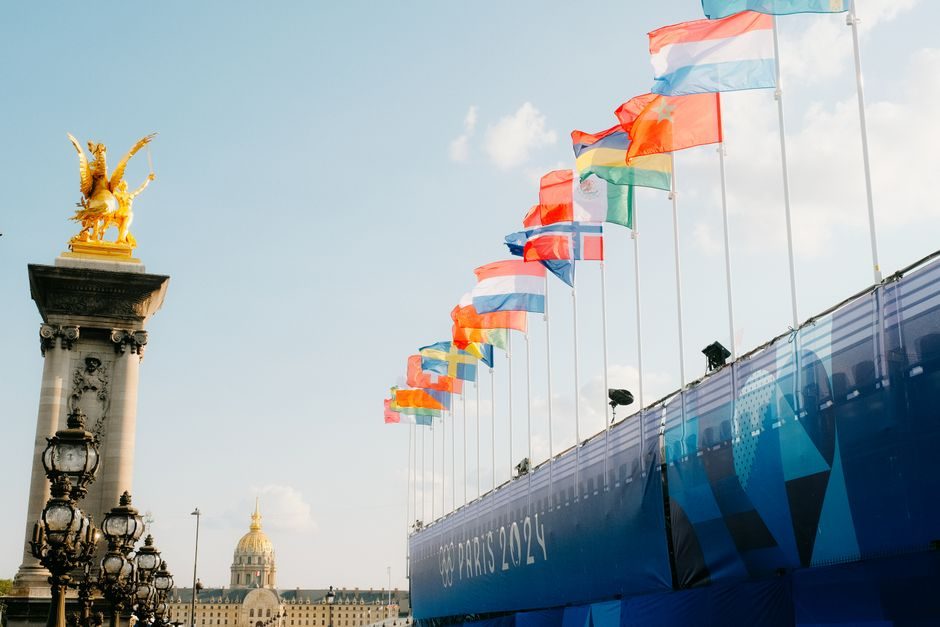
Digital tools simplify finding relevant events near campuses. Use university calendars, library portals, and city cultural sites to locate talks, workshops, and guided tours. Filter by date, topic, and accessibility to build a balanced study plan. Always verify dates and capacity before inviting a class.
Pair online discovery with on-site visits to optimize learning impact. Students can register for an event, prepare questions, and then compare notes after the session. Digital reminders help keep everyone on track and avoid last-minute absences.
Online platforms can mix public lectures with university-hosted masterclasses, expanding options beyond campus walls. Encourage students to track events that touch on core subjects or future career interests. The combination of digital search and physical attendance strengthens research habits and curiosity.
- Use campus calendars and libraries
- Filter by topic and date
- Pre-register and prepare questions
- Combine virtual and in-person events
Safety and inclusivity in campus events
Creating accessible and welcoming events
Safety and inclusivity should guide every event choice and execution. Check venue accessibility, provide language support, and ensure clear safety procedures are communicated in advance. Inclusive planning encourages broader participation and richer discussion. Students learn to respect diverse perspectives in real-world settings.
Organize pre-event ground rules and post-event debriefs to model constructive dialogue. Provide quiet spaces or alternative materials for students who need them. When possible, partner with accessibility offices or student groups to tailor experiences.
Documentation of policies and feedback helps improve future events. Collect anonymous surveys to understand barriers and adjust accordingly. This practice teaches responsibility and continuous improvement in educational programs.
- Ensure physical accessibility
- Provide language and disability accommodations
- Establish pre/post discussion norms
- Gather feedback for improvement
Evaluating long-term impact of event participation
Measuring learning from events
Evaluating impact requires concrete rubrics and follow-up activities. Track skills like critical thinking, note-taking, and collaboration through targeted tasks after each event. Compare pre- and post-event understanding to gauge knowledge gains. This helps justify future investments in campus programming.
Link events to long-term goals such as research projects, internships, or capstone topics. Students can develop a mini-project that uses insights from multiple events. Regular reflection helps identify which formats best support sustained learning.
Institutions should maintain a simple archival system for event participation. Record attendee lists, topics covered, and outcomes to inform program planning. Over time, patterns emerge, showing which event types most effectively advance learning objectives.
- Use rubrics to assess impact
- Connect events to projects
- Encourage structured reflection
- Maintain event participation records
Frequently asked questions
How should I choose events that fit my course?Start with your syllabus and identify 2–3 topics that naturally align with city programs. Look for events that offer pre- or post-work assignments, and ensure accessibility for all students. A well-chosen event extends classroom topics rather than duplicating them.
What if students miss an event?Provide a brief written summary or a recording when possible, and offer an optional follow-up activity that captures the key ideas. Make participation flexible while keeping learning goals in focus.
How can I assess the value of an event later?Use a simple rubric that measures comprehension, application, and reflection. Compare pre- and post-event work, and note any changes in student engagement or collaboration.
Are digital events as effective as in-person ones?Digital events can be highly effective when they offer clear content, interactive elements, and opportunities for questions. In-person experiences often yield richer dialogue, but both formats support different learning needs.
Closing thoughts on using Paris events for study
A thoughtful mix of Paris events can deepen understanding, broaden perspectives, and build practical skills linked to coursework. The key is alignment with learning goals and clear follow-up tasks that translate experience into knowledge.
Next steps: map your course outcomes to specific events, create a shared planning calendar, and design short post-visit assignments that demonstrate learning gains.

Add Education News as a preferred source on Google


