
Education Research Guide: Questions, Methods and Evidence
A practical education research guide to framing focused questions, choosing suitable methods, assessing evidence and planning a feasible project with collaborat

An education research guide helps you move from a practical concern to a question you can answer with evidence. Define the issue and the group or setting you want to understand, then choose a method that fits the question and your access to participants. Check the quality and limits of the evidence, and plan time, ethics and costs before collecting data.
A useful study does not need to be large to inform practice. A clear account of a bounded question, a transparent method and the context in which findings were gathered can help educators judge whether results are relevant to their own classrooms or institutions.
The guide below sets out how to narrow a topic, compare common research designs and make a project workable. It also highlights practical planning decisions, including how to keep international project budgets clear when collaborators work in different currencies.
- Define a practical concern, then narrow it to a question with a clear group, setting and issue.
- Choose a method that fits the kind of answer needed and the evidence you can access responsibly.
- Describe context and limitations so readers can judge whether findings apply to their setting.
- Plan approvals, workload and cross-currency costs before data collection begins.
What Education Research Can Help You Understand
Start With a Practical Concern
Education research investigates how teaching, learning, schools and education systems work, and how they might improve. It can explore a classroom concern, such as why pupils struggle to explain their reasoning, or a policy question, such as how a new attendance process affects families. Starting with a real decision helps keep the work useful.
A study can describe a situation, examine relationships between factors, or test whether an approach appears to help. For example, a school might document how students use feedback before asking whether a particular feedback routine changes revision habits. These purposes call for different evidence, so identify the kind of understanding you need before choosing a method.
Research may draw on existing records, observations, interviews, surveys or assessments, but each source answers only certain questions. A test can show performance on the skills it measures; it cannot, on its own, explain how students experienced a lesson. If a project budget includes expenses in Turkey, checking dolar ve euro kurları can help keep estimates consistent across currencies.
- Describe the decision or problem prompting the study.
- Name the learners, educators or institutions involved.
- Specify what evidence could inform the next step.
Match Scope to Use
The value of a study depends partly on whether its scope matches the decision it is meant to inform. A teacher considering a change to one unit may need a careful account of one class, while a district weighing a policy may need evidence across schools. The size of the question should reflect the reach of the decision.
Local findings can still be informative when their context is described clearly. A report should say who took part, where the work happened and what conditions shaped the results, so readers can compare those circumstances with their own. Without this context, readers may apply a finding to learners or settings it does not represent.
Before collecting information, decide who needs the answer and how they might use it. A school leader may need a short comparison of options, while a student researcher may need to explain a pattern in a carefully bounded setting. That intended use guides the level of detail, the audience and the form of the final report.
How to Turn a Broad Topic into a Research Question
Narrow the Topic Stepwise
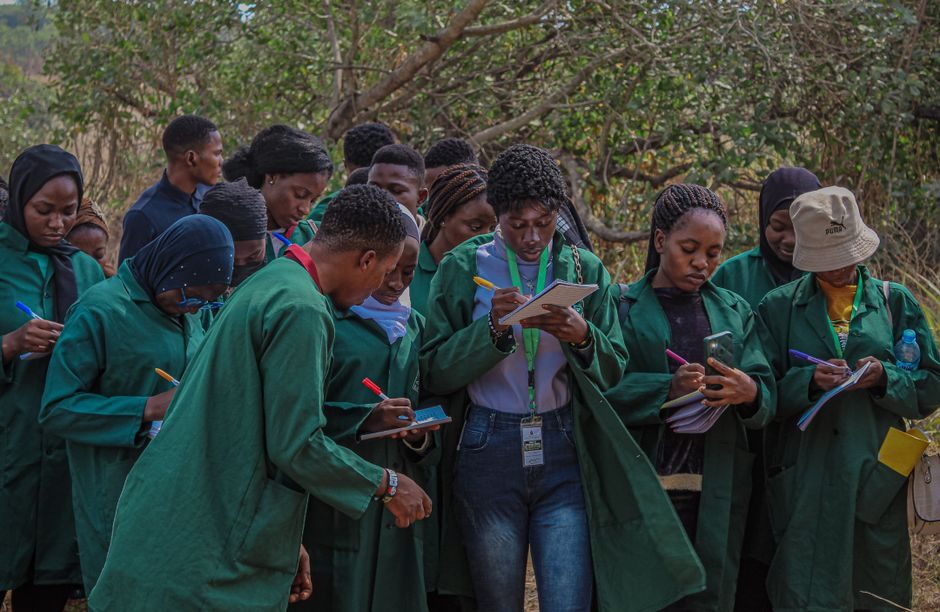
A research question becomes manageable when it identifies a group, a setting and an issue that can be observed or documented. “Technology in schools” is too broad, but asking how a particular group of teachers uses a digital tool during a defined unit gives the inquiry boundaries. Those boundaries also help you judge what data you can realistically collect.
Move from a broad interest to a specific concern by reviewing existing information and speaking with people who know the setting. Attendance records, curriculum documents or prior evaluations may reveal where a problem occurs and what has already been tried. Check that the issue matters to participants, not only to the researcher, before committing to it.
Then make the question answerable with evidence you can access ethically. If a research activity requires paying a Turkish supplier or collaborator, a dolar TL çevirici can help clarify the amount used in a draft budget. Treat that estimate as a planning figure and document the assumptions behind any later adjustment.
- Name the group and setting.
- Choose one observable issue or outcome.
- Check access to relevant information.
- Confirm that the question is ethically answerable.
Check Question Quality
A strong question is clear enough that another reader can tell what evidence would count as an answer. Terms such as “engagement,” “effective” or “inclusive” need definition because people may interpret them differently. State the relevant behaviour, outcome or experience, and avoid asking several unrelated questions in one sentence.
Check that the question is open to investigation rather than built around a preferred conclusion. “How do pupils describe feedback?” allows varied responses, while “Why does helpful feedback improve learning?” assumes both that the feedback is helpful and that learning improved. Neutral wording leaves room for evidence that complicates the initial expectation.
Finally, test the question against time, access and ethics. A question about long-term achievement may require follow-up records that a short project cannot obtain, while a question about sensitive experiences may need safeguards and specialist approval. If the scope is too demanding, narrow the group, period or outcome instead of promising evidence you cannot collect.
Choosing a Research Design That Fits Your Question
Compare Common Approaches
Choose a research design by asking what kind of answer the question requires. Interviews can explore how participants understand an experience; observations can document what happens in practice; surveys can gather comparable responses across a group. Existing records may show patterns over time, but only when the records were collected consistently and suit the question.
- Choosing a method because it is familiar; instead, match it to the question.
- Treating a survey as proof of cause; instead, describe what its design can establish.
- Combining methods without a purpose; instead, state what each source contributes.
Quantitative approaches work with numerical measures and can describe patterns or test differences, subject to the quality of the measures and comparison. Qualitative approaches examine accounts, actions or documents in context, helping explain meanings and processes. Mixed methods combine these perspectives when the project has time and skills to collect and analyse both kinds of evidence.
A design is not automatically strong because it uses a large dataset or a familiar tool. A survey about belonging, for instance, needs questions that participants understand, while interviews require a plan for consistent, respectful conversations. Choose the least complex approach that can credibly answer the question, rather than adding methods without a clear purpose.
- Use interviews to explore experiences and meanings.
- Use observations to document practice in context.
- Use surveys for comparable responses.
- Use records to examine existing patterns.
| Approach | Useful for | Main consideration |
|---|---|---|
| Interviews | Experiences and meanings | Allow time for analysis |
| Observations | Practice in context | Define what to record |
| Surveys | Comparable responses | Use clear measures |
| Existing records | Documented patterns | Check completeness and fit |
Plan Evidence Collection
Before collecting evidence, specify who or what will be included and how information will be recorded. An observation plan might define which lessons, activities and behaviours count, while an interview plan should use prompts tied to the research question. Consistent procedures make it easier to compare material and explain how conclusions were reached.
Consider whether the people and records available can represent the issue you want to understand. If only volunteers respond to a survey, their views may differ from those who do not take part; if a school shares only selected records, important context may be missing. Describe these limits rather than treating the available material as complete.
Plan how you will protect participants and handle information before data collection begins. Explain consent in language people understand, collect only what the study needs and store records securely under the relevant institutional rules. For work involving children or sensitive topics, seek required review and ensure participants know what they can decline.
A feasible project sets out the tasks, people and resources needed from preparation through reporting.
Planning a Feasible Education Research Project
Set a Workable Plan
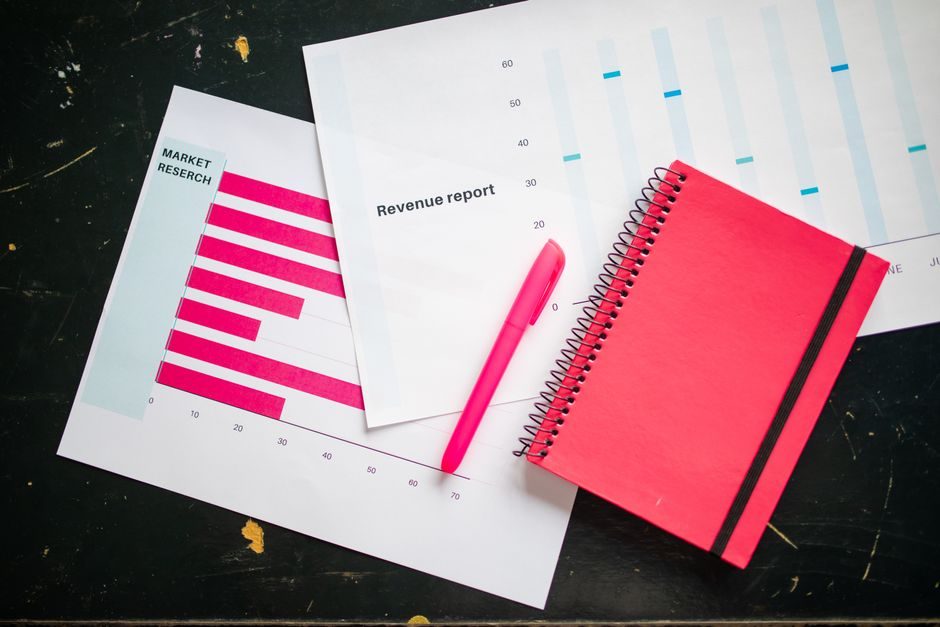
A feasible project sets out the tasks, people and resources needed from preparation through reporting. Map approvals, recruitment, data collection, analysis and feedback in a sequence, allowing time for delays such as school calendars or participant availability. A realistic plan is more useful than an ambitious design that cannot be completed carefully.
Match the workload to the research team's skills and access. A project involving interviews needs time for arranging conversations, transcription and analysis, while a survey requires clear questions and a plan for handling incomplete responses. If specialist support is needed, identify it early rather than assuming it can be added at the end.
Budget for direct costs and the work required to produce dependable evidence. Possible items include travel, translation, transcription, materials, secure data storage and staff time, subject to local policies. For international collaboration, record the currency, exchange-rate assumption, payment timing and any transfer or conversion charges for each cost.
- List approvals and dependencies before recruitment.
- Estimate staff time as well as purchases.
- Allow for translation, travel and data handling where relevant.
- Record the basis for currency estimates.
Build in Review Points
Schedule brief review points to catch problems while there is still time to adjust the project. After a pilot interview or first observation, check whether the prompts produce relevant information and whether the recording process works. Make changes transparently, documenting what changed and why so the final account remains clear.
Agree with collaborators on responsibilities, communication and file handling before work begins. A shared plan should identify who recruits participants, who checks translations and who approves changes to the budget or method. Clear ownership prevents duplicated effort and makes it easier to resolve questions when teams work across institutions or time zones.
Finish by deciding how findings will be reported to participants and decision-makers. Use language suited to the audience, distinguish observed results from interpretations and state limitations plainly. A concise account of what the study can and cannot support helps readers make responsible decisions without stretching local findings into universal claims.
Selecting Methods and Gathering Reliable Evidence
Match Tools to Evidence
Choose a data-gathering tool that can answer the question you have actually posed. Interviews can explain how teachers experience a new curriculum, while attendance records may show whether patterns changed after it began. A tool that measures something adjacent to the question can produce detailed information without providing a useful answer.
Define each key term before collecting evidence so the team applies it consistently. If a study asks whether feedback improves writing, specify what counts as feedback and which features of writing will be assessed. A shared rubric can help two reviewers judge the same student work in comparable ways.
Pilot questions and procedures with a small group before the main collection begins. A trial interview may reveal unclear wording, while a test of a survey can show whether students interpret response options as intended. Fixing these problems early reduces missing or confusing data later.
- Use interviews to explore experiences and explanations.
- Use observations to record what happens in practice.
- Use records or assessments to examine defined outcomes.
Check Evidence Quality
Record where each piece of evidence came from, when it was gathered, and how it was handled. This information helps readers judge whether records, interviews, or assessment results are relevant to the question. It also gives the research team a way to trace an unexpected finding back to its source.
Look for missing information and uneven participation before interpreting results. If some students did not complete a survey, compare who responded with the group the study is intended to describe. A gap may reflect access, timing, or language rather than the views of the wider student population.
Use more than one source when the question calls for a fuller account. For example, classroom observations can show how a teaching approach is delivered, while student work can indicate what learners produced. When sources disagree, examine the difference rather than forcing them into a single conclusion.
Working with International Data and Collaborators

Agree on Shared Procedures
Agree on shared definitions and collection procedures before collaborators begin gathering data. A term such as school attendance may refer to different records or reporting rules across education systems. Documenting the intended meaning lets partners identify local differences instead of treating unlike measures as directly comparable.
- ☐ Name one contact person at each partner institution.
- ☐ Document how shared measures are defined.
- ☐ Agree on secure data access and storage.
- ☐ Record the date and basis for currency estimates.
Plan communication around the practical conditions of each partner institution. Differences in school calendars, time zones, approval processes, and working languages can affect when data are available. A written schedule should identify who handles each task, how changes are reported, and where decisions are recorded.
If a proposal contains costs in US dollars, researchers can use dolar kaç TL oldu to understand the conversion when reviewing Turkish-lira estimates. The rate used for planning is not necessarily the rate applied when a payment is made. Record the date, conversion assumption, and any likely bank or transfer charges.
- Agree on shared terms and definitions.
- Set roles, deadlines, and a record of decisions.
- Confirm local review and data-handling requirements.
Protect Meaning Across Contexts
Translate research materials for meaning, not just word-for-word accuracy. A survey item about classroom participation may carry different implications in another language or school setting. Ask local educators or translators to review the wording, then test it with intended participants before using it across sites.
Compare education systems carefully before combining their data. Differences in grade structure, assessment schedules, or student eligibility can make similar-looking figures represent different things. Describe those differences and decide whether the research question requires direct comparison or a more contextual account of each setting.
Set clear rules for who can access data and how collaborators may use it. Remove identifying details where possible, follow relevant institutional requirements, and agree on how files will be transferred and retained. If partners cannot apply the same procedure, document the variation and consider what it means for interpretation.
Common Pitfalls in Education Research
Avoid Overstated Conclusions
Do not claim that a teaching approach caused an outcome unless the research design supports a causal conclusion. If students improved after a new programme began, other changes may also have influenced their progress. Report what the evidence shows, explain what it cannot establish, and keep recommendations within those limits.
- A finding is not automatically a causal explanation.
- Describe the group and setting behind each result.
- Treat untested explanations as possibilities, not facts.
A small or locally selected group can still provide useful insight, but it does not automatically represent students elsewhere. Describe who took part, how they were recruited, and what features of the setting might shape the findings. Readers can then judge whether the results may apply to their own schools.
Distinguish a pattern in the data from a reason for that pattern. Lower participation in an activity, for instance, may appear alongside timetable changes without being caused by them. Use interviews or further evidence to explore possible explanations, and label them as interpretations when the study cannot test them.
- Separate association from cause.
- Describe who participated and how they were selected.
- Name explanations that the evidence cannot confirm.
Recognize Bias and Missingness
Consider how the researcher's role may shape the evidence. A teacher interviewing their own students, for example, may receive answers influenced by the existing relationship. Explain the setting, protect participants from pressure, and use consistent prompts so that the process is as transparent as possible.
Missing responses can distort a result if the people who do not respond differ from those who do. Check which groups are underrepresented and whether the collection method created barriers, such as inaccessible wording or inconvenient timing. Report the gap rather than quietly treating the available responses as complete.
Avoid changing measures or analysis choices simply because an early result is unexpected. If a procedure must change, record what changed, when it changed, and why. Keeping a clear account of decisions helps readers distinguish planned analysis from later adjustments and makes the findings easier to assess.
Tips for Reporting Findings Responsibly

Make Results Understandable
Lead with the finding that most directly answers the research question, then explain how it was produced. Define technical terms in plain language and label charts so readers can identify the group, measure, and time period. A clear account helps school leaders and educators judge relevance without overstating certainty.
- Restate the research question.
- Present the relevant evidence and its source.
- Explain limits and plausible alternative readings.
- Offer recommendations that the findings support.
Show the scale and context of a result, not only whether it moved in a particular direction. If an assessment score changed, say what was measured and who was included. Where comparisons are made, make the groups and conditions explicit so readers do not mistake unlike cases for a fair comparison.
Use quotations selectively and protect the privacy of participants. A vivid comment can illustrate a theme, but it should not stand in for the views of everyone in the study. Remove identifying details, explain how themes were developed, and avoid presenting a single voice as proof of a wider pattern.
- State the finding and the group it describes.
- Define measures and comparison periods.
- Separate participant examples from overall conclusions.
Explain Limits and Use
State limitations where readers can connect them to the findings, rather than hiding them in a closing note. A study conducted in one school may illuminate local practice but leave questions about other settings. Explain which conclusions remain useful and which require more evidence before wider adoption.
Make recommendations proportional to the strength and scope of the evidence. A promising classroom example may justify a careful trial elsewhere, not an immediate system-wide change. Identify what educators should monitor during any next step, including unintended effects on students or demands placed on staff.
Share enough information for colleagues to understand the process while respecting consent and data protections. Describe the methods, measures, and analysis decisions in accessible terms. Where materials can be shared safely, provide them through an appropriate institutional route so others can learn from or assess the work.
Frequently asked questions
How can a student find a manageable education research topic?Start with a real question from a course, placement, or school experience, then narrow it to a defined group, setting, and issue. Check whether you can access suitable evidence and whether the work can be completed within your time and permissions. A focused question about one practice is usually more manageable than trying to explain a broad education challenge.
When should a school seek ethics or institutional review?Check with the relevant school, university, or research authority before recruiting participants or collecting identifiable information. Requirements vary by institution and jurisdiction, and research involving students may need added safeguards and consent procedures. Do not assume that a project is exempt because it is small or intended to improve local practice; ask the responsible office to clarify the rules.
Can qualitative and quantitative evidence be used together?Yes, when each type of evidence serves a clear purpose in answering the same research question. Assessment records might show whether an outcome changed, while interviews help explain how participants experienced the approach. Plan how the findings will be compared, and report disagreements between sources rather than treating one method as automatic confirmation of the other.
What should educators do when findings conflict with experience?Treat the difference as a prompt to examine context, not as a reason to dismiss either the evidence or professional judgment. Check how the study defined its measures, who participated, and whether local conditions differ. Educators can then identify what needs a closer look, while avoiding a broad conclusion from a single study or one school's experience.
From Research Question to Responsible Use
Useful education research begins with a question that matters to learners and can be answered with available evidence. A suitable method, consistent procedures, and careful attention to context make findings easier to interpret. When collaborators work across settings, shared definitions and transparent cost assumptions also help prevent practical differences from becoming mistaken for differences in educational outcomes.
For your next project, write one focused research question and list the evidence that could answer it before choosing a tool or making a recommendation. Check access, permissions, and the limits of the data at the planning stage. That simple sequence gives educators and school leaders a clearer basis for decisions—and helps readers see exactly what the findings can support.

Add Education News as a preferred source on Google


